body care
How Often Should You Exfoliate Your Body

In This Guide
After using a body scrub, your skin may feel smoother—and it is tempting to wonder whether using it every time you shower would be even better.
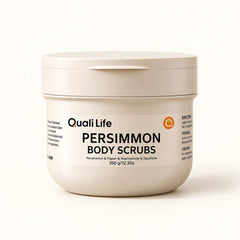
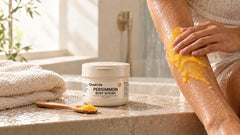
So, how often should you exfoliate your body? If you choose to use a body scrub, once or twice a week can be a useful reference point. Start with once a week and see how your skin responds. Dry, sensitive, or irritated skin may need less frequent exfoliation—or a break from it altogether.
That schedule does not apply to every exfoliating product. Finding the right frequency means considering your skin, the product directions, and how your skin feels in the days afterward.
How Many Times a Week Should You Exfoliate Your Body?
For a simple starting point, try one body scrub session a week, provided the product is appropriate for your skin. Then pay attention to how your skin feels over the following days.
In advice shared on Mount Sinai’s website, dermatologist Joshua Zeichner, MD, recommends scrubbing once or twice a week rather than every day. This is a practical recommendation, not a number everyone needs to reach.
If once a week leaves your skin comfortable and you are happy with the results, stick with it. Consider moving to twice a week only if the directions allow it, your skin continues to tolerate the product, and you have a reason to do more.
There is no need to treat twice a week as a quota. Missing a session during a busy week does not mean you need to make up for it the next day.
Adjust Your Exfoliation Frequency to Your Skin
When deciding how often to exfoliate your body, start with a quick check: does your skin feel comfortable, or has it been dry, tight, or easily irritated lately?
The American Academy of Dermatology’s exfoliation guidance emphasizes matching your schedule to your skin type and method. More aggressive exfoliation generally calls for less frequent use.
| How your skin feels | How to approach your schedule |
|---|---|
| Comfortable and not easily irritated | Start with a low frequency. There is no need to increase it if you are already happy with your skin. |
| Dry or tight after showering | Focus on gentle cleansing and moisturizing. Reduce or pause exfoliation if needed. |
| Sensitive or prone to stinging and redness | First consider whether exfoliation suits your skin, rather than setting a weekly target. |
| Oily without obvious irritation | Oiliness alone does not determine frequency. Consider the product and your skin’s tolerance. |
| Sunburned, wounded, or noticeably irritated | Skip exfoliation on affected areas and allow your skin to recover. |
Use this as a guide for adjusting your routine, not a fixed schedule for each skin type. Your needs can change with the season, too.
Your Exfoliating Products Matter, Too
A body scrub, an exfoliating glove, and an acid-based body care product do not necessarily belong on the same schedule.
Scrubs use friction, while products containing AHAs or BHAs use chemical exfoliation. Consider the product’s strength, directions, and the rest of your routine. The AAD also advises caution when adding exfoliation alongside products such as retinoids or benzoyl peroxide, which may increase sensitivity or dryness.
Here is an easy pattern to miss: a scrub on Monday, another exfoliating product on Tuesday, and an exfoliating tool on Wednesday. You may not be using any single item very often, but your skin is still receiving several exfoliating treatments in a row.
Count all your exfoliating steps when planning your week. Starting with one method makes it easier to understand how your skin responds.
If you use an AHA product, remember sun protection. The FDA’s guidance on alpha hydroxy acids notes that they may increase sun sensitivity. Use sunscreen, wear protective clothing, and limit sun exposure while using the product and for a week afterward.
Can You Exfoliate Your Body Every Day?
For body scrubs, daily use does not need to be your default. The once- or twice-weekly recommendation above offers a more conservative reference point.
However, a scrub schedule should not automatically be applied to every product containing exfoliating ingredients. Read the directions for the specific formula rather than relying on the word “exfoliating” on the label.
Ask yourself two questions:
- Do the product directions allow this frequency?
- Does my skin continue to feel comfortable when I use it this often?
Even if a product allows more frequent use, you do not have to aim for the maximum. Needing to wash after a workout does not automatically mean adding another scrub session.
Signs You May Be Exfoliating Too Often
Look beyond how smooth your skin feels immediately afterward. How it feels later matters, too.
If you notice any of these changes after starting exfoliation or increasing the frequency, take a closer look at your routine:
- More dryness, flaking, or tightness than usual.
- Redness, itching, or irritation.
- Stinging when you apply products you normally tolerate.
- Skin that feels unusually sensitive or tender.
Cleveland Clinic’s skin barrier guide lists over-exfoliation as a possible cause of barrier damage and describes dryness, irritation, stinging, and sensitivity as signs to watch for.
These symptoms do not prove that exfoliation is the cause. But if discomfort follows a new product or a more frequent schedule, pause exfoliation and simplify your routine rather than adding more products.
Use lukewarm water, cleanse gently, and apply a fragrance-free moisturizer your skin tolerates. Avoid treating new flaking as “dead skin” that needs more scrubbing. If symptoms persist or worsen, or you develop significant pain, blisters, or oozing, consult a dermatologist.
Build a Simple Weekly Exfoliation Schedule
If you are new to body scrubs, the example below can help you get started. Use it only with a product that suits your skin, following its directions.
| When | Example routine |
|---|---|
| Sunday | If your skin feels comfortable, use your body scrub gently as directed and moisturize afterward. |
| Monday through Saturday | Cleanse and moisturize as needed. Observe your skin without adding other exfoliating steps. |
| The following week | Continue if your skin feels comfortable and you still want to exfoliate. Pause if irritation appears. |
If you later decide that twice a week suits your skin and the product directions, choose two nonconsecutive days, such as Wednesday and Sunday. This gives you a chance to check how your skin feels before the next session.
Staying with once a week is fine, too. A schedule should make your routine easier—not keep adding steps to it.
Remember to moisturize afterward. The AAD notes that exfoliation can be drying and recommends applying moisturizer immediately after.
For help with application and technique, read our guide on how to use a body scrub.
Frequently Asked Questions
Should You Exfoliate Your Body Less Often in Winter?
If your skin becomes drier or tighter in winter, reduce or pause exfoliation and focus on moisturizing. Let your skin’s condition guide the change rather than switching schedules simply because the calendar says so.
Can You Exfoliate Right After Shaving?
If shaving leaves your skin stinging, red, or nicked, skip exfoliation on those areas. An exfoliating tool does not need to be a required post-shave step. Cleveland Clinic specifically recommends avoiding loofahs for a few days after shaving because bacteria can enter through small cuts.
Do You Need to Exfoliate if Your Skin Already Feels Smooth?
You do not need to add exfoliation just to complete a routine. It is not suitable for everyone, and if you are happy with your skin, keeping your care simple is a reasonable choice.
Body exfoliation can be a relaxed part of your week. Pick an easy starting point, pay attention to your skin, and give yourself permission to reduce or skip a session when needed.