body care
How to Use a Body Scrub: A Simple Guide to Smoother Skin

In This Guide
Ever stepped out of the shower, noticed a rough patch on your elbows, knees, or legs, and thought you should scrub a little harder next time? You don't need to. A gentler approach, a schedule that works for your skin, and moisturizer afterward can make your body care routine feel much better.
If you're new to body scrubs or aren't sure where they fit in your shower routine, here's how to use body scrub without overdoing it.
What Is a Body Scrub, and What Does Body Scrub Do?
A body scrub is an exfoliating product made for the skin on your body. As you gently massage it over your skin, its exfoliating particles help remove some of the dead cells on the surface. That can leave skin feeling smoother to the touch. The American Academy of Dermatology (AAD) describes scrubs as a form of physical exfoliation and notes that different skin types respond differently to exfoliation.
A scrub can be an occasional addition to your routine. It doesn't have to replace your regular cleanser, and using it more often won't necessarily give you better results. If your skin already feels dry, stings, or looks red, give it a break instead.
How to Use a Body Scrub in the Shower
Wondering how to apply scrub on body skin? Keep it simple. The first time you try a product, start with a small area and a light touch.
Step 1: Wet and cleanse your skin
Start with lukewarm water, then wash with your usual body wash or soap. There's no need to turn the water up too hot, especially if your skin tends to feel dry after showering.
Step 2: Apply the scrub to damp skin
Take an amount appropriate for the area you're treating, following the directions on the product label. Smooth it over damp skin, such as your arms or legs. Unless the label specifically says to use it dry, avoid rubbing a scrub onto dry skin.
Step 3: Massage gently
Use your fingertips to make small, gentle circles. Even on rough-feeling elbows or knees, you don't need to press harder. The AAD recommends gentle circular motions for about 30 seconds, followed by a thorough rinse with lukewarm water.
If your skin starts to sting or burn, stop and rinse the product off. A scrub should never feel like you're trying to rub away a layer of skin.
Step 4: Rinse and moisturize
Rinse away the scrub, pat your skin dry with a towel, and apply body lotion while your skin is still slightly damp. Moisturizing after exfoliation helps keep skin comfortable.
The easy order to remember: lukewarm water → cleanse → scrub → rinse → moisturize.
Do You Use Body Scrub Before or After Body Wash?
For a straightforward shower routine, use body wash or soap first, then your body scrub. This keeps cleansing and exfoliating as two clear steps. If your scrub has different directions, follow its label instead.
You also don't need to wash and scrub the same spot repeatedly or add an exfoliating mitt on top. More friction isn't the goal; a comfortable, gentle routine is.
How Often Should You Scrub Your Body?
There's no single schedule that fits everyone. How often should you use body scrub? That depends on your skin, the product, and how your skin feels afterward. According to the AAD, stronger exfoliation generally calls for less frequent use, and over-exfoliating can leave skin red and irritated.
If you're just starting out, try once a week and follow the product label. If your skin stays comfortable, you can decide whether to adjust. If it feels tight, dry, sore, or looks red, use the scrub less often or pause altogether. Dry, sensitive, or acne-prone skin may need an especially cautious approach.
Common Body Scrub Mistakes to Avoid
Scrubbing rough spots too hard. Extra pressure may irritate your skin without making it smoother. A light massage is enough.
Stacking exfoliating steps. If you already use exfoliating acids, a rough washcloth, or products that make your skin more sensitive, consider those steps before adding a scrub. The AAD advises taking your existing skin care products into account when choosing an exfoliation method.
Using a scrub on irritated or injured skin. Skip exfoliation on sunburn, open cuts, or wounds. If an area is already red or stinging, let it settle before considering a scrub.
Skipping moisturizer. After exfoliating, body lotion can do more for your comfort than another pass with the scrub.
Frequently Asked Questions
Can you use body scrub on your face?
Don't assume a body scrub is suitable for facial skin unless its label specifically says so. Follow the product's intended use and choose a product appropriate for the area you're treating.
Do you use body scrub before or after shaving?
If your skin tolerates it, gentle exfoliation before shaving is one option. Cleveland Clinic's shaving guidance includes gentle exfoliation among the steps for preparing skin before shaving. That doesn't mean you need to scrub every time. If your skin is sensitive or feels sore after shaving, skip the scrub and give it time to recover.
Can you use body scrub every day?
For most routines, there's no need to make a scrub a daily cleansing step. Follow the label and pay attention to your skin. If you notice dryness or irritation, cut back or stop using it.
Keep Your Body Care Routine Simple
Smoother-feeling skin doesn't require a complicated routine: cleanse gently, exfoliate when it suits your skin, and moisturize after your shower. How your skin feels matters more than hitting a set number of scrub days each week.
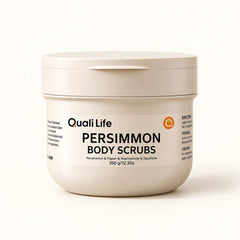
If you'd like to add an exfoliating step to your shower, QualiLife Persimmon Body Scrub is one option to explore. Its cellulose and hydrated silica help buff away surface dead skin cells, while papain provides enzymatic exfoliation. Massage it gently over rough-feeling areas such as elbows, feet, and heels; there's no need to scrub hard.
The formula also contains persimmon fruit extract, niacinamide, squalane, and glycerin. Its ingredient list contains no sulfate-based surfactants or parabens. Follow the package directions, rinse thoroughly, and finish with body lotion to keep your skin feeling soft and comfortable.