body care
How to Choose a Body Wash for Body Odor

In This Guide
You have just showered, washed thoroughly, rinsed off the suds, and dried yourself with a clean towel. Yet before long—maybe just 30 minutes later—that familiar odor is back.
If you have ever wondered, “Why do I still smell after a shower?” it does not necessarily mean you are not washing well enough. Body odor can be influenced by skin bacteria, sweat, and individual factors. Scrubbing harder may not address what is causing it.
Choosing a body wash for body odor starts with your cleansing needs, the formula, and your skin type. The goal is a routine that helps you feel fresh while keeping your skin comfortable.
So, how do persimmon, tea tree, and acidified formulas fit in? Here are a few practical ways to narrow down your options.
1. Start With Your Everyday Freshness Needs
Body odor is common, and it is not a measure of how clean you are. As Cleveland Clinic explains, odor develops when bacteria on your skin interact with sweat. How much you sweat does not always determine how strong the odor will be.
For a closer look at another part of the body odor picture, read our guide to what nonenal is and how it relates to changes in body odor.
Before choosing a body wash, think about when you most want a refresh:
- After workouts or outdoor activities: Look for a formula that washes away sweat, excess oil, and everyday dirt, rinses easily, and leaves your skin comfortable.
- For everyday odor care: Explore formulas designed with odor care in mind, such as persimmon body wash, alongside your skin’s other needs.
- If your skin feels tight after showering: Give gentle cleansing and moisturizing ingredients a place on your list, too.
You may see products described as a deodorizing body wash or an odor control body wash. Both descriptions point toward odor care. Understanding the formula can help you decide which option fits your routine.
2. Get to Know Ingredients Used in Odor Care
A body wash’s performance and feel come from its cleansing ingredients, supporting ingredients, and overall formulation. These are some of the options you may come across.
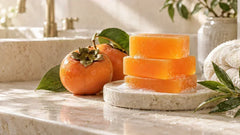
Persimmon Extract and Tannins
Persimmon extract contains polyphenols, including tannins, that make it an interesting ingredient in body care.
In a small study of a soap containing a plant polyphenol blend, researchers tested a formula made with extracts from persimmon, green tea, and other plants. After 20 middle-aged and older men used it for four weeks, the researchers reported improvements in body odor ratings and a reduction in skin-surface 2-nonenal.
The study offers a useful starting point for understanding persimmon and tea polyphenols in odor care. It tested a specific blend, so results depend on the complete formula rather than persimmon alone.
If you are exploring persimmon body wash, consider it one option for bringing everyday cleansing and odor care into the same step.
Tea Tree Oil
Tea tree oil comes from tea tree leaves. Its components, including terpinen-4-ol, have attracted interest for their antimicrobial activity. Laboratory research on tea tree oil formulations has found activity against certain bacteria, with results varying by concentration, contact time, and formula.
In a body wash, tea tree oil works as part of a blend with cleansing ingredients. If you enjoy tea tree formulas, consider the finished product’s scent and how your skin feels after rinsing.
Choose a formulated body wash and follow its directions; there is no need to add tea tree essential oil to it yourself.
Acidified Formulas and pH
The skin’s surface is naturally mildly acidic. Acidified body washes make a lower pH part of their formulation approach.
Researchers have also explored the relationship between pH and odor. One study in older women found that a specific leave-on emulsion with a pH of 4.0 reduced underarm odor. That finding applies to a leave-on product rather than a rinse-off body wash, but it helps explain the interest in pH as a formulation factor.
You may see mandelic acid, lactic acid, or citric acid in these formulas. Depending on the formulation, acids may be used for exfoliation or pH adjustment. If rough texture is also a concern, look for a product specifically designed to provide exfoliating cleansing.
Zinc Ricinoleate
Zinc ricinoleate is an ingredient that can bind certain odor compounds and help reduce their perceived smell. Its effects have been explored in research on underarm deodorant products.
Most of that evidence comes from deodorants. If you encounter it in a body cleanser, think of it as one supporting part of the odor-care formula.
Green Tea and Other Plant Polyphenols
Green tea polyphenols are another area of interest in odor care. The soap study mentioned above combined green tea, persimmon, and other plant polyphenols to explore antioxidant activity and care for odor associated with 2-nonenal.
These ingredients are best considered alongside the formula’s cleansing and moisturizing features.
Cleansing and Moisturizing Ingredients
Cleansing ingredients help lift sweat, oil, and dirt from the skin. Moisturizing ingredients such as glycerin, along with emollient oils, can help support a comfortable feel after washing.
If your skin tends to feel dry, these features deserve just as much attention as a refreshing shower experience.
3. Match the Formula to Your Skin
Two people looking for odor care may need different things from their body wash. Use your skin and daily habits as a guide.
| Your skin or routine | What to look for |
|---|---|
| Skin that feels dry or tight after washing | Gentle cleansing, moisturizing ingredients, and a comfortable after-feel |
| Frequent workouts or sweating | An easy-to-rinse formula suited to how often you shower |
| Sensitivity to fragrance or essential oils | Fragrance-free options and ingredients you know your skin tolerates |
| Rough texture as well as odor concerns | A cleanser designed for exfoliation, used at a frequency your skin tolerates |
The American Academy of Dermatology’s advice for dry skin emphasizes gentle cleansing and recommends fragrance-free products for dry, sensitive skin.
When introducing a product with acids or essential oils, try it on a small area first and watch how your skin responds. Persistent stinging, redness, or tightness is a reason to stop and reassess.
4. Choose a Scent, Texture, and Finish You Enjoy
A body wash you look forward to using should also suit your preferences.
You might enjoy a light citrus scent, prefer a botanical aroma, or want little to no fragrance after showering. Scent can make a shower more enjoyable, while fragrance-free options can also fit comfortably into an everyday freshness routine.
Think about the texture and rinse, too. Does it spread easily? Is it simple to dispense the amount you need? Does your skin feel soft and comfortable afterward?
A clean feel and a comfortable finish belong on the same checklist.
5. Choose a QualiLife Body Wash for Your Routine
Once you know what matters most to you, it becomes easier to explore specific products. QualiLife’s persimmon, acidified, and tea tree oil body washes offer different starting points.
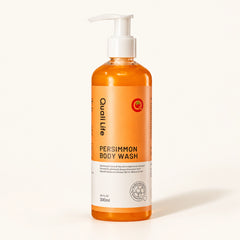
QualiLife Persimmon Body Wash: Everyday Cleansing and Freshness
If you would like to bring a persimmon formula into your shower routine, explore QualiLife Persimmon Body Wash.
It combines persimmon extract with glycerin, coconut oil, jojoba seed oil, and shea butter to pair everyday cleansing with a comfortable after-feel. The formula also includes tea tree oil and rosemary extract.
For anyone interested in odor care and botanical ingredients, it is an easy option to consider for a daily routine. Follow the product directions: apply wet skin, massage gently, and rinse thoroughly.
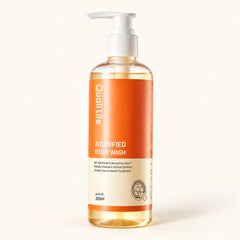
QualiLife Acidified Body Wash: Freshness and Smoother-Feeling Skin
If rough areas, such as your elbows, are also on your mind, consider QualiLife Acidified Body Wash.
This low-pH formula combines mandelic acid, persimmon extract, and niacinamide, with glycerin, aloe, and centella asiatica. It is designed to bring cleansing, exfoliation, and skin comfort together, with a light tangerine scent.
If you are new to acid-based cleansers, begin less frequently and adjust according to the product directions and how your skin responds.
QualiLife Tea Tree Oil Body Wash: A Refreshing Clean With Moisturizing Care
If you enjoy a cooling shower experience, consider QualiLife Tea Tree Oil Body Wash. It blends tea tree and peppermint oils into a cleanser that helps wash away sweat, excess oil, and everyday dirt, whether after a workout or during your regular shower.
Coconut oil, panthenol, and niacinamide round out the formula’s focus on moisture and skin comfort. These are useful features to consider if you want a refreshing clean while also caring for dry or rough-feeling skin.
This sulfate-free body wash can be gently lathered with a soft, clean sponge, then rinsed thoroughly for an easy addition to your routine.
You do not need to use all three. Start with the formula that best matches your current needs, then see how it fits your skin and daily habits.
6. Support Freshness With Simple Daily Habits
A few manageable habits can help round out your routine:
- Cleanse according to your activity and sweat levels. Follow the directions on your body wash.
- Massage gently and rinse thoroughly. Give attention to areas where sweat tends to collect, such as the underarms and feet.
- Dry off and change out of sweaty clothes. Keep towels and clothing clean, too.
- Add deodorant when needed. If excessive sweating is your main concern, learn about the role of antiperspirants.
- Use body wipes for a temporary refresh when a shower is not available. Follow their directions and return to your usual cleansing routine when you can.
The NHS guidance on managing body odor also includes washing, drying thoroughly, changing clothes, and using deodorant or antiperspirant.
If your usual body odor changes suddenly, you notice unusual sweating, or odor remains a persistent concern despite everyday care, talk with a healthcare professional.
7. Frequently Asked Questions
What is the best body wash for body odor?
The best body wash for body odor is one that fits your cleansing needs, skin type, and preferred after-feel. Persimmon, tea tree, and acidified formulas offer different features to explore. Look for an option you can use comfortably and consistently as part of your routine.
Can I use a deodorizing body wash every day?
That depends on the product directions, formula, and your skin’s tolerance. A body wash designed for daily cleansing may fit your everyday routine. With exfoliating acids, consider your other skincare products and adjust frequency according to how your skin responds.
Can I use odor control body wash with deodorant?
Yes. Body wash cleanses during your shower, while deodorant provides odor care afterward. Rinse, dry your skin, and apply deodorant according to its directions. Pay attention to skin comfort when introducing new products together.
Choosing a body wash can start with the one thing you care about most: everyday freshness, a softer after-feel, or care for rough texture. Find a formula that fits, pair it with a few simple habits, and make your daily shower a routine you feel good about.