wellness
How to Read a Body Wash Ingredient List

In This Guide
When choosing a body wash, you might notice the scent, packaging, or words like “moisturizing” and “sulfate-free” first. Then you turn the bottle around and find a long list of names: Water, Lauryl Glucoside, Glycerin. Where do you start?
Learning how to read body wash ingredients is easier when you follow a simple order: check how the list is arranged, identify the cleansers and moisturizing ingredients, then look at fragrance and any ingredients you personally need to avoid. You do not need to memorize every name to make sense of the formula.
1. Start with the Full Ingredient List and Its Order
Look for Ingredients or Full Ingredient List on the packaging or product page. A “Key Ingredients” section usually highlights a few selected ingredients. The full list shows the broader mix of cleansers, moisturizers, scent ingredients, and formula-supporting ingredients.
You may also come across the abbreviation INCI, which stands for International Nomenclature of Cosmetic Ingredients. Botanical names often identify the plant, the part used, and whether the ingredient is an extract, juice, or oil. For example:
- Diospyros Kaki Fruit Extract: persimmon fruit extract.
- Aloe Barbadensis Leaf Juice: aloe vera leaf juice.
- Simmondsia Chinensis (Jojoba) Seed Oil: jojoba seed oil.
Once you break them down, many long names refer to familiar ingredients.
Why are ingredients listed in this order?
For ordinary cosmetic products sold in the United States, ingredients are generally listed in descending order of predominance. Ingredients present at 1% or less may appear in any order after those above 1%, and color additives have separate ordering rules. The FDA’s cosmetics labeling guide explains these exceptions.
Start with the first few ingredients to get familiar with the formula’s base, then keep reading for its other components. For exact percentages, use information specifically provided by the brand.
Water often appears first because it serves as a solvent and a base for liquid body wash, helping ingredients dissolve or disperse and making the product easy to spread and rinse.
2. Understand the Main Ingredients in Body Wash
A practical way to understand the ingredients in body wash is to group them by what they do. These categories appear in many formulas:
| Ingredient group | Names you may see | Common role |
|---|---|---|
| Cleansers | Lauryl Glucoside, Cocamidopropyl Betaine | Help remove oil and dirt and contribute to lather. |
| Humectants | Glycerin, Butylene Glycol | Attract moisture and contribute to the formula’s moisturizing properties and feel. |
| Emollients | Jojoba Seed Oil, Coconut Oil, Shea Butter | Help soften skin and improve skin feel. |
| Botanical ingredients | Diospyros Kaki Fruit Extract, Aloe Barbadensis Leaf Juice | Form part of the botanical blend, with specific roles depending on the formula. |
| Preservatives | Phenoxyethanol | Help protect the product against microbial growth. |
| Formula-supporting ingredients | Sodium Chloride, Citric Acid | Commonly help adjust thickness or pH. |
| Scent ingredients | Fragrance, Lavender Oil, Clove Flower Oil | Provide or contribute to the product’s scent. |
These are common formulation roles. Some ingredients serve more than one purpose.
Cleansers: helping oil and dirt rinse away
Surfactants are the ingredients that do much of the cleansing work. They help water interact with oily dirt so it can be rinsed from your skin.
Lauryl Glucoside and Cocamidopropyl Betaine are examples used in cleansing products. Formulators combine surfactants to adjust cleansing performance, lather, and how a product feels during use.
Finding these names is a useful first step toward understanding a body wash’s cleansing system.
Moisturizers and emollients: paying attention to skin feel
Glycerin is a familiar humectant used in body washes, lotions, and creams. Butylene Glycol can also contribute to moisture retention.
Jojoba oil, coconut oil, and shea butter are examples of emollient ingredients. Think of humectants as moisture-attracting ingredients and emollients as ingredients used to soften and smooth the feel of skin.
Body wash is a rinse-off product. If your skin tends to feel dry, following your shower with body lotion remains an important part of your routine.
Preservatives and supporting ingredients: keeping the formula in good condition
A water-based body wash needs appropriate protection against microbial growth, especially as it is repeatedly used in a damp bathroom. Phenoxyethanol is a common preservative that helps protect products from spoilage.
Sodium Chloride can help adjust thickness in certain cleansing formulas, while Citric Acid is often used to adjust pH. These ingredients help maintain the product’s intended texture and formulation properties.
3. What Does “Sulfate-Free Body Wash” Mean?
A sulfate-free body wash uses cleansing ingredients other than sulfate surfactants such as SLS and SLES. Two names to recognize are:
- Sodium Lauryl Sulfate (SLS)
- Sodium Laureth Sulfate (SLES)
Sulfate-free formulas use alternatives, such as Lauryl Glucoside and Cocamidopropyl Betaine, to help cleanse and create lather.
When reading one of these labels, first identify the alternative cleansers. Then look for moisturizing ingredients, emollients, and scent ingredients. This connects the claim on the front of the bottle with the formula on the back.
Sulfate-free and fragrance-free describe different features. If scent also matters to you, check for Fragrance, Parfum, and aromatic plant oils.
4. Ingredients to Avoid in Body Wash: What Should You Watch For?
If you are wondering what ingredients to avoid in body wash, start with your own experience. Which products have felt comfortable, and which have repeatedly caused itching, stinging, or noticeable tightness?
If you have a diagnosed ingredient allergy, check labels for the ingredients your clinician has advised you to avoid. Otherwise, fragrance preferences and your skin’s tendency toward dryness are practical places to begin.
Fragrance and your known triggers
Fragrance may appear as Fragrance or Parfum. If you know fragranced products bother your skin, prioritize fragrance-free options and review the full list.
Another label to understand is unscented. A product with no noticeable scent may still contain fragrance used to mask the smell of other ingredients, as explained in the FDA’s guidance on fragrances in cosmetics.
Plant oils deserve a look, too. Lavender Oil, Clove Flower Oil, and Tea Tree Leaf Oil contribute their own aromas. Include these names when checking whether a product fits your scent preferences and known sensitivities.
Body wash ingredients to avoid for dry skin
For dry skin, focus on three situations that can help guide your next choice:
- Your current cleanser repeatedly leaves skin tight. Consider a product formulated for dry skin with moisturizing and emollient ingredients. Also use warm water and avoid vigorous scrubbing.
- You have reacted poorly to certain alcohol-containing products. Alcohol or Alcohol Denat. generally refers to ethanol-related ingredients. Compare these with your past experiences, while recognizing that Cetyl Alcohol, Stearyl Alcohol, and Cetearyl Alcohol are fatty alcohols commonly used for emollience and texture.
- Your skin is dry and flaky while you are layering exfoliants. Simplify your routine and prioritize gentle cleansing and moisturizer. For body washes specifically marketed for acid exfoliation, follow the labeled frequency and sun-protection directions.
The FDA’s explanation of alcohol in cosmetics distinguishes fatty alcohols from ethyl alcohol, which can make this part of the label easier to read.
Alongside ingredients to watch for, look for useful features: humectants such as glycerin, a scent profile that suits you, and a comfortable feel after washing.
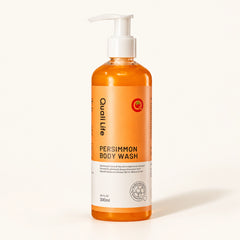
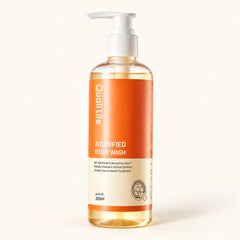
5. Practice with QualiLife Persimmon Body Wash
Now put these steps into practice with QualiLife Persimmon Body Wash. Reading in the order of cleansers, moisturizing ingredients, and botanical ingredients turns a long list into a clear picture of the formula.
Step 1: Identify the cleansers
Start with Lauryl Glucoside and Cocamidopropyl Betaine. These ingredients help wash away surface oil and dirt and contribute to lather.
Both are non-sulfate surfactants. If you are learning about sulfate-free body wash, these are useful cleansing ingredient names to recognize.
Step 2: Find the moisturizing and emollient ingredients
Next, look for two groups with different roles:
- Glycerin and Butylene Glycol: humectants that contribute to the formula’s moisturizing properties.
- Coconut Oil, Jojoba Seed Oil, and Shea Butter: emollient ingredients used to help soften skin and improve skin feel.
Together, these groups show how the formula pairs cleansing ingredients with moisturizing and emollient components. This is a useful part of the list to examine if you care about how your skin feels after a shower.
Step 3: Recognize the botanicals behind the product name
Diospyros Kaki Fruit Extract is persimmon fruit extract, a signature ingredient in QualiLife Persimmon Body Wash. Aloe Barbadensis Leaf Juice is aloe vera leaf juice.
The formula also includes aromatic botanical ingredients such as lavender, clove, and tea tree oils. Recognizing these names helps you understand both the botanical blend and its scent sources, so you can choose according to your preferences.
Step 4: Take a quick look at supporting ingredients
Finally, notice ingredients that help maintain the product: Phenoxyethanol provides preservative protection, Sodium Chloride is commonly used to adjust thickness, and Citric Acid is commonly used to adjust pH.
These ingredients work alongside the cleansers, humectants, and emollients as part of the complete formula.
Read this way, the formula becomes easier to understand: non-sulfate cleansers paired with moisturizing and emollient ingredients such as glycerin and plant oils, plus persimmon fruit extract and aloe vera leaf juice. You can use the same approach when comparing other body washes.
6. Follow Cleansing with a Simple Moisturizing Routine
The ingredient list helps you choose a product. Your shower habits help you use it well. Follow this straightforward order:
- Wet your skin with comfortably warm water. Avoid water that feels hot.
- If you are washing your hair, finish shampooing and conditioning first. Rinse your hair thoroughly, then wash your body to remove any hair-product residue that has run over your shoulders or back.
- Use the amount of body wash recommended on the label. Cleanse gently with your hands or a clean, soft washing tool, paying attention to external areas that collect sweat, such as underarms and feet. Avoid repeated, forceful scrubbing.
- Rinse thoroughly. Rinse off an ordinary body wash once you have finished cleansing. Follow any specific directions provided for specialty products.
- Pat dry and apply body lotion promptly. Make this a regular step if your skin tends to feel dry.
The NHS recommends applying an emollient after washing, as soon as you have patted your skin dry. If you use an AHA body wash specifically intended for exfoliation, follow its sun-protection directions as well.
When comparing body wash formulas, return to four questions: What does the cleansing? Which ingredients provide moisture care? Does the scent suit me? Are there any known personal triggers? This gives you a practical way to read the label and choose your next bottle.
Frequently Asked Questions
Does a shorter ingredient list mean a better body wash?
The best fit is a formula that suits your needs. A shorter list is easier to review ingredient by ingredient, while a longer list may include several cleansers, moisturizers, emollients, and stabilizing ingredients. Focus on their roles, your preferences, and how your skin feels after washing.
How can I find out a body wash’s pH?
Check the packaging or product page for the finished product’s pH, or ask the brand. Ingredients such as Citric Acid may be included for pH adjustment; the actual pH comes from testing the finished formula. For more background, read our guide to pH-balanced body wash.