wellness
Why Does My Skin Feel Tight After a Shower

In This Guide
You step out of the shower feeling clean, but your legs and arms soon start to feel tight. A few minutes after drying off, you are already reaching for body lotion. If that sounds familiar, your shower routine is a useful place to start.
Why does my skin feel tight after a shower? That tight feeling often goes along with dryness. Hot water, long showers, repeated cleansing, and vigorous scrubbing can make it harder for skin to hold on to moisture. Hard water and dry indoor air may add to the discomfort.
A few changes to how you wash, followed by moisturizing after your shower, can help make your daily routine more comfortable.
Why Is My Skin So Dry After A Shower?
Your skin's outermost layer, called the stratum corneum, helps retain moisture and protect against outside irritants. When its ability to hold water is reduced, skin can become dry, rough, and less comfortable when you move.
1. The Water Is Too Hot, or Your Shower Is Too Long
A hot shower can feel relaxing, especially on a chilly day. But a shower that feels good in the moment can still leave your skin dry afterward.
Brief contact with warm water can hydrate the skin's surface. Prolonged exposure, particularly to hot water, can disrupt the skin barrier and increase moisture loss. Areas that already tend to be dry, such as your shins and arms, may feel especially tight afterward.
In a study involving 50 healthy adults, hot-water exposure increased skin water loss and redness. The researchers studied localized skin exposure, including the hands; the findings support avoiding prolonged contact with hot water.
Start with comfortably warm water and keep showers to about 5–10 minutes. You do not need to force yourself to take cold showers.
2. Hard Water May Contribute to Post-Shower Dryness
Your water supply can also affect how your skin feels after washing. Hard water contains higher levels of minerals, including calcium and magnesium, that can interact with certain cleansing ingredients.
A study involving 80 participants found that washing with the cleansing ingredient sodium lauryl sulfate (SLS) in hard water increased its deposits on the skin. Those deposits were associated with increased water loss and irritation. Water hardness may be worth considering if your skin is prone to dryness or eczema.
If your skin feels drier after moving or traveling, even while using the same products, check your local water supplier's water-quality information. Keep cleansing gentle, rinse thoroughly, and moisturize afterward. Avoid adding more and more body wash just because you are getting less lather than expected.
3. Your Cleansing Routine Is Too Intense
Using a large amount of body wash, repeatedly washing the same area, or cleansing your entire body with both soap and body wash can leave dry skin feeling uncomfortable.
For an everyday shower, choose one suitable body cleanser. Focus on your underarms, feet, and areas with noticeable sweat, oil, or dirt. Use a light touch on dry arms and legs instead of repeatedly scrubbing them.
4. You Are Scrubbing or Exfoliating Too Often
Rough shower poufs, exfoliating mitts, dry brushes, and body scrubs all create friction. Using several of them together, or using them too frequently, can leave skin feeling dry and sensitive.
If your skin already feels tight, red, or stingy, pause exfoliation. Cleanse gently with your hands and keep the routine focused on washing and moisturizing. Once your skin feels comfortable again, adjust exfoliation according to the product directions and your skin's response.
5. Your Skin Is Naturally Dry, and the Air Is Dry Too
Post-shower tightness may become more noticeable during fall and winter, or when you spend a lot of time in heated or air-conditioned rooms. Skin that already tends to be dry can be particularly affected.
DermNet's guide to dry skin identifies low humidity, excessive bathing, cleanser exposure, and friction as contributing factors. A consistent moisturizing routine is especially useful when these factors overlap.
Does Tight Skin Mean Your Skin Is Extra Clean?
The goal after washing is skin that feels clean and comfortable, without an obvious pulling sensation.
Some people get used to a squeaky-clean feeling and associate it with thorough cleansing. You do not need to keep washing until your skin feels tight. Once sweat, dirt, and excess oil have been removed, rinse and finish your shower.
If your skin feels tight after washing every time, try lowering the water temperature, using less cleanser, and washing with a gentler touch.
How to Prevent Dry Skin After a Shower
If you are wondering how to prevent dry skin after showering, start with a simple order:
Wet your skin with warm water → shampoo and condition if needed, then rinse → gently cleanse your body → rinse → pat dry → moisturize while skin is still damp.
Step 1: Wet Your Skin With Warm Water
Choose a comfortable temperature that does not feel hot against your skin. Once your skin is wet, begin cleansing instead of spending extra time under the running water. You can turn the water off while applying products to reduce continuous exposure.
Step 2: Shampoo and Condition if Needed
Apply shampoo mainly to your scalp, and use conditioner on the appropriate lengths of your hair according to its directions. Rinse thoroughly.
Washing your body after rinsing your hair is a practical order that lets you clean away hair-product runoff from your shoulders and back. On days when you are not washing your hair, move straight to body cleansing.
Step 3: Use a Small Amount of Body Wash and a Light Touch
Apply a small amount of body wash to wet skin, massage gently with your hands, and rinse. Adjust the amount to the area you are washing and the product directions. A thick layer of foam is unnecessary.
While your skin feels tight, skip body scrubs and exfoliating mitts. Exfoliation does not need to be part of every shower.
Step 4: Rinse Thoroughly and Gently Pat Dry
Rinse away the cleanser, then use a soft towel to absorb excess water with gentle pats. Avoid rubbing back and forth. Leave your skin slightly damp so you can move straight to moisturizing.
Step 5: Moisturize While Your Skin Is Still Damp
Moisturizing after a shower helps reduce moisture loss. Smooth your moisturizer over areas that need it, giving extra attention to dry shins, arms, and elbows.
For mild dryness, a body lotion you find comfortable may work well. If your skin frequently feels dry or flaky, consider a richer cream. The NHS guide to emollients recommends using them when skin feels dry or tight and smoothing them on gently.
A body wash with moisturizing ingredients supports a comfortable cleansing experience; your leave-on lotion or cream continues the moisturizing step afterward.
How to Choose a Body Wash for Dry Skin
When choosing a body wash for dry skin, focus on gentle cleansing, moisturizing ingredients, and how your skin feels afterward. Glycerin and emollient ingredients are useful things to look for when reading the formula.
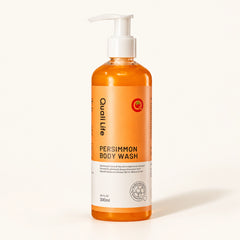
If everyday body odor is another concern, you can explore QualiLife Persimmon Body Wash. Its formula combines cleansing ingredients such as lauryl glucoside and cocamidopropyl betaine with glycerin, aloe, jojoba oil, and shea butter.
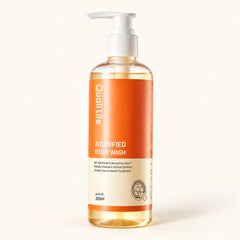
A low-pH acidified body wash is another option to consider when your skin is comfortable and you also want care for rough texture and everyday odor. QualiLife Acidified Body Wash combines a low-pH formula and mandelic acid with ingredients including glycerin, aloe, cucumber, and centella asiatica. It brings cleansing and exfoliation into the same step, with moisturizing ingredients also included in the formula.
Use an acidified body wash during the body-cleansing step: wet your skin, massage gently, and rinse thoroughly. Start every other day and adjust according to the product directions and how your skin feels. Initially, skip a separate body scrub or exfoliating mitt in the same shower, and apply body moisturizer afterward.
If your skin is already noticeably flaky, red, or stinging, choose a fragrance-free cleanser focused on gentle washing and pause exfoliation until your skin feels comfortable again.
Whichever body wash you choose, a gentle body wash works best as part of a thoughtful routine: comfortably warm water, an appropriate amount of cleanser, and moisturizer afterward.
When Should You Get Persistent Tightness Checked?
If tightness continues after adjusting your cleansing and moisturizing routine, or you develop a noticeable rash, cracks, oozing, or persistent burning, consult a dermatologist. Itching that disrupts sleep or significant stinging when you apply a gentle moisturizer also deserves attention.
Frequently Asked Questions
Why Does My Face Feel Tight After a Shower?
Your face can also be affected by hot water, intensive cleansing, and dry air. Avoid letting hot water run directly over your face for a long time. Use a gentle facial cleanser as needed, then apply a facial moisturizer after washing.
Can I Still Shower Every Day if My Skin Is Dry?
Plan your shower frequency around sweating, exercise, and your daily environment. If you need to shower every day, keep it brief, use warm water, avoid repeated cleansing, and moisturize afterward. If you shower more than once a day, you do not need to repeat an intensive full-body cleansing routine each time.
Can Oily Skin Feel Tight After Washing?
Yes. Oiliness and post-wash tightness can occur together. Reduce the intensity of your cleansing routine and choose a moisturizer that feels comfortable on your skin. Avoid responding to oiliness with more vigorous scrubbing.
A more comfortable routine can begin with your next shower: turn the temperature down a little, keep it shorter, wash gently, and moisturize promptly afterward. These simple habits can make daily cleansing feel more comfortable.