body care
Shower After a Workout: A Simple Routine for Fresh Skin

In This Guide
Whether you have just finished a strength session at the gym, a run around the neighborhood, or a workout in your living room, you probably want to get out of those damp clothes and feel comfortable again.
A shower after a workout can be simple: change out of sweaty clothes, gently cleanse with comfortably warm water, wash your hair when needed, and follow with moisturizer. You do not need to use every product in your bathroom each time you exercise.
You might shower at the gym or wait until you get home. This guide covers timing, water temperature, and a straightforward post-workout shower routine, with practical adjustments for wherever your day takes you.
How Soon Should You Shower After a Workout?
After a sweaty workout, shower as soon as you reasonably can. Finish your usual cool-down, gather a towel and clean clothes, and get ready to wash. There is no need to stay in sweaty workout gear just to wait out a fixed number of minutes.
The American Academy of Dermatology's guidance on skin hygiene at the gym recommends showering as soon as possible after exercise and putting on clean clothes, including fresh socks and underwear.
Wherever you exercise, try not to spend hours sitting in soaked clothing afterward. If you need to travel home or cannot get to a shower yet, change clothes and gently blot away sweat first, then wash when you can.
Hot or Cold Shower After a Workout: Which Should You Choose?
If your main goal is to wash away sweat and feel fresh, lukewarm water is a practical place to start. You do not need extreme temperatures to get clean.
- Lukewarm water works well for everyday cleansing. Your bathroom does not need to fill with steam, and your skin should not turn red from the heat. Cleveland Clinic's showering guidance notes that very hot water and long showers can leave skin dry and itchy.
- Cooler water is a matter of comfort. On a warm day, you may prefer a slightly cooler rinse. Adjust the temperature to what feels comfortable rather than forcing yourself into an icy shower to feel cleaner.
- Very hot water is not a shortcut to a deeper clean. You do not need to tolerate uncomfortable heat, especially if your skin tends to feel tight after washing.
If you are wondering whether cold water helps with muscle soreness, keep ordinary showers separate from cold-water immersion. The temperature, amount of skin exposed, and duration differ, so findings about ice baths do not automatically apply to a quick shower. For your everyday cleansing routine, focus on comfortable water and gentle washing.
A Simple Post-Workout Shower Routine
Step 1: Change Out of Sweaty Clothes
Take off your damp shirt, sports bra, and socks, and have a clean towel and fresh clothes ready. Wash used workout clothes before wearing them again; letting them air-dry does not make them clean.
At home, keep your essentials within reach. If you are showering elsewhere, pack them in a toiletry bag beforehand. Getting clean does not require an elaborate setup.
Step 2: Gently Cleanse Sweat-Prone Areas
Wet your skin, then gently wash your underarms, chest, back, feet, and any visibly dirty areas with a cleanser that suits your skin. Use an appropriate facial cleanser for your face, and keep body-cleansing products away from genital mucous membranes.
If you wore sunscreen or picked up dirt outdoors, give those areas attention too. Gentle washing with your hands is usually more comfortable than repeatedly scrubbing with a rough bath pouf, especially where clothing has already rubbed against your skin.
Let your skin's needs guide your product choice. A gentle cleanser can be part of everyday post-workout care. Sweating or noticing body odor does not automatically mean you need an antifungal product.
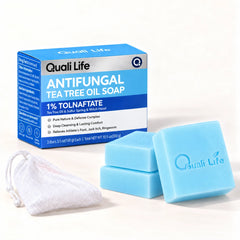
For readers with an appropriate antifungal-care need, QualiLife Tea Tree Antifungal Soap is a bar-format option to consider. Its formula contains 1% tolnaftate, along with ingredients including tea tree leaf oil, glycerin, and coconut oil. Tolnaftate is an antifungal medication used to treat athlete's foot, ringworm, and jock itch, as described in MedlinePlus's tolnaftate information. Follow the packaging of the product you purchase for its intended uses, application directions, and frequency.
Step 3: Wash Your Hair When Your Scalp Needs It
Washing your body does not mean you have to shampoo every time.
If your scalp feels oily, your roots are clumping together, or it is already your usual wash day, you may want to shampoo during this shower. Focus shampoo on your scalp, use conditioner according to your hair's needs and the product directions, and rinse thoroughly.
If you only sweated lightly and your scalp still feels comfortable, consider your normal washing schedule rather than automatically adding another shampoo session, especially if your hair is dry. Cleveland Clinic's advice on how often to wash your hair emphasizes factors such as hair texture and oil production, rather than exercise alone.
Step 4: Rinse Thoroughly and Pat Dry
Rinse away cleanser and hair products, then gently pat your skin with a clean towel. Dry your feet, between your toes, and skin folds carefully before putting on socks or close-fitting clothing.
For medicated products, follow the label's instructions for application, rinsing, contact time, and aftercare. Do not assume that leaving a product on longer will make it work better.
Your skin does not need to feel squeaky clean. Tightness, stinging, or itching after washing is a reason to reconsider your water temperature, products, or cleansing technique.
Post-Workout Skin Care: Moisturize and Finish Your Routine
Post-workout skin care can stay simple: moisturize areas that tend to dry out, then use your usual deodorant if needed.
Apply moisturizer to dry-prone areas, such as your arms and lower legs, while the skin is still slightly damp after patting dry. Choose a formula that feels comfortable on your skin; a fragrance-free option may be a good choice if your skin is sensitive. If you are treating an area with medication, follow its instructions or professional advice before layering moisturizer there.
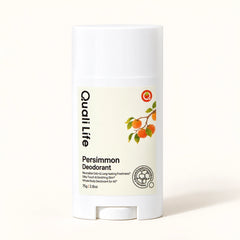
Once your underarms are dry, apply your usual deodorant as directed, such as QualiLife Persimmon Deodorant, and put on clean clothes. Deodorant helps manage odor; its role is different from an antiperspirant's. There is no need to repeatedly layer on thick coats in pursuit of longer-lasting freshness.
Adjust Your Routine to Where You Shower
Once you have the basics in place, make a few adjustments for the rest of your day. Here are three situations where this routine can fit.
If You Shower at the Gym
If you are heading straight to work or meeting someone afterward, showering and changing at a gym with shower facilities can make the next part of your day easier.
Pack a towel, cleanser, shower shoes, and clean clothes. Wear your shower shoes in shared shower areas, and do not share towels or razors. These habits are also part of the American Academy of Dermatology's gym-hygiene guidance mentioned above.
If the tea tree antifungal soap discussed earlier is already appropriate for your care needs, its bar format is convenient to pack in a soap case. Let excess water drain off after use, then take it out to dry when you get home instead of leaving it sitting in pooled water. Choosing a medicated soap should depend on your individual needs, rather than simply using a shared shower.
If You Shower at Home
The same basic steps work whether you drive home from the gym, return from an outdoor run, or finish a workout at home.
If you have a journey ahead of you, change out of a soaked shirt when possible and gently blot sweat with a clean towel. Once you arrive, showering before settling down can feel more comfortable than staying in damp clothes.
Having a full bathroom of products available does not mean every workout needs to be followed by exfoliation, deep cleansing, or an extensive hair routine. Keep it simple and adjust to how much you sweated and what your skin needs that day.
If You Cannot Shower Right Away
A lunchtime workout, an outdoor session, or a line for the showers may mean waiting a little longer. In the meantime, try this simple refresh:
- Change out of damp clothes. A fresh shirt, underwear, and socks can be more useful than adding more fragrance.
- Gently blot away sweat. Press with a clean towel instead of rubbing back and forth.
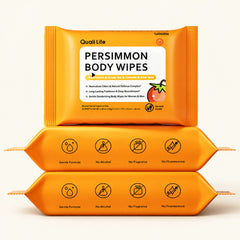
- Use body wipes if needed. Follow the packaging directions and use them only on suitable areas. Avoid the eye area, mucous membranes, and broken skin.
- Shower when you can. Treat wipes as a temporary refresh, then cleanse according to your needs when a shower becomes available.
For more detail on application and where wipes fit into your routine, read our guide on how to use deodorant wipes.
Ordinary deodorant wipes are not the same as acne-treatment wipes and do not replace treatment for a skin condition. If an area is already red or stinging, avoid repeatedly wiping it or layering on more products.
Post-Workout Shower Mistakes to Avoid
- Exfoliating every time you sweat. A sweaty workout does not automatically call for a scrub. If tight clothing has already left your skin irritated, reduce friction.
- Washing the same area repeatedly. You do not need to layer bar soap, body wash, and a scrub in every shower. One suitable cleanser is a reasonable starting point for everyday washing.
- Forgetting about your clothes. Putting sweaty workout gear back on can quickly bring back that sticky feeling. Include washing your workout clothes, socks, and towels in your routine.
- Assuming every rash or bump means you need to wash harder. If a rash persists, spreads, becomes painful, or starts oozing, ask a healthcare professional to check it rather than increasing scrubbing or adding medicated products on your own.
Frequently Asked Questions
Do You Need to Shower After Every Workout?
Showering after a workout makes sense when you have sweated heavily, feel sticky, or have dirt on your skin. After gentle stretching or a short walk with very little sweating, consider your usual shower schedule and how your skin feels. Every bit of activity does not need to trigger a full washing routine.
Is Rinsing With Water Enough After a Workout?
Water can rinse away some sweat, but noticeable oil, sunscreen residue, or dirt generally calls for an appropriate cleanser too. Focus on the areas that need washing rather than repeatedly cleansing your whole body just to be sure.
What If You Work Out Twice a Day?
Adjust cleansing to how much you sweat during each session, and change out of damp clothing promptly. If you need more than one shower, keep them brief, focus cleansing on sweaty areas, and moisturize as needed. You do not have to shampoo or exfoliate every time. Follow the label for medicated products rather than increasing their use with every workout.
Your post-workout shower routine can be a comfortable way to finish a training session: wash away the sticky feeling, change into clean clothes, and give your skin a little care. A few useful essentials and a routine that fits your day can make the habit easier to keep.