hair scalp
How Often Should You Wash Oily Hair

In This Guide
You washed your hair yesterday, but today your roots already look greasy and flat. You could wash it again, except you're worried that daily shampooing will leave your ends even drier. Waiting another day doesn't sound great when your scalp feels oily, either.
If you're trying to decide when to wash again, here's a practical starting point: for fine or straight hair that gets oily quickly, washing daily or every other day may work well. Adjust from there based on how your scalp and hair feel. Curly, coarse, or chemically treated hair that tends to be dry may need a more individualized balance of cleansing and conditioning.
You don't have to put up with uncomfortable roots, or add unnecessary washes, just to follow someone else's schedule.
How Often Should You Wash Oily Hair?
Deciding how often to wash oily hair means considering two things together: when your scalp needs cleansing and how your strands respond to your current routine.
The U.S. National Library of Medicine's MedlinePlus guidance on oily hair includes daily shampooing as a care option. For a scalp that gets oily quickly, washing every day can be a reasonable choice.
Use this table as a starting point for finding a routine that suits you:
| Your hair and scalp situation | An approach to consider |
|---|---|
| Fine or straight hair with noticeably greasy, flat roots by the next day | Try daily washing, watching for dryness or discomfort afterward. |
| Some oiliness develops on the second day, but your scalp stays comfortable | Try washing every other day and adjust as needed. |
| Oily roots with dry, tangled ends | Focus cleansing on your scalp while adjusting how you condition your lengths. |
| Curly, coarse, or chemically treated hair that feels dry | Balance your scalp's cleansing needs with your strands' tolerance instead of automatically washing daily. |
This is a starting point, not a fixed calendar. A little shine at the roots and hair that feels coated in oil may call for different responses.
For a closer look at why oiliness returns so quickly, read our guide to why your hair gets greasy so fast and what can help. Understanding the possible causes can make it easier to decide whether to adjust your washing frequency, products, or technique.
Is It Bad to Wash Your Hair Every Day?
Not necessarily. Washing frequency alone doesn't tell you whether your routine is right for you.
If daily washing leaves your scalp comfortable and your hair isn't becoming noticeably drier, you don't need to switch just because someone else washes twice a week.
On the other hand, tightness, stinging, itching, or increasingly rough-feeling strands are reasons to take another look at your routine. Is your shampoo a good fit? Are you using more than you need? Are you scratching your scalp with your nails or repeatedly rubbing shampoo through your ends?
These issues don't always come down to washing too often. Your technique and how well you tolerate a product matter, too.
You don't need to aim for a squeaky-clean feeling. The goal is to remove excess oil and residue while keeping your scalp and strands comfortable.
Is Washing Hair Every Other Day Right for You?
Washing hair every other day means leaving a day between washes. It can be an easy routine to follow, but it isn't a target you have to reach.
Over a few wash cycles, pay attention to the following:
- Before your next wash, do your roots have a little shine, or do they feel noticeably greasy and flat?
- Does your scalp stay comfortable, without persistent itching or other irritation?
- Are you repeatedly adding dry shampoo just to make it to your next scheduled wash?
- Does the routine keep your scalp clean while allowing you to care for your ends?
If every-other-day washing feels easy and comfortable, keep going. If your scalp feels uncomfortable before your planned wash, you don't need to treat waiting it out as part of good hair care.
Try changing one thing at a time. For example, observe what happens when you adjust your washing frequency before switching shampoos as well. That makes it easier to work out which change helps.
Workout days can be flexible, too. Whether you need an extra wash depends on oiliness, how your scalp feels after sweating, and your hair type. Every workout doesn't automatically have to mean a full shampoo.
Oily Scalp, Dry Ends: How Should You Adjust Your Routine?
An oily scalp and dry ends can happen at the same time. Your scalp may need excess oil removed while your lengths need more conditioning, especially after chemical treatments or frequent heat styling.
You have more options than simply washing more or washing less. Start by directing cleansing and conditioning to the areas that need them:
- Wet your scalp and hair thoroughly. This helps you distribute your shampoo.
- Focus shampoo on your scalp. Cleanse gently with your fingertips rather than scratching with your nails.
- Avoid repeatedly scrubbing your ends. Let the lather run through your lengths as you rinse, and address any remaining residue as needed.
- Condition the areas that feel dry. Depending on your hair type, apply conditioner to your mid-lengths, ends, or the lengths that need it, then rinse according to the directions.
- Dry gently and limit excessive heat. Avoid vigorously rubbing your hair back and forth with a towel.
The American Academy of Dermatology's everyday hair care guidance also recommends concentrating shampoo on the scalp and adjusting conditioner placement to your hair type.
If your scalp needs cleansing but your ends stay dry, take a look at conditioning and styling habits instead of simply stretching the time between washes.
Can You Train Your Hair to Be Less Oily?
You may have heard that putting up with greasy roots for a few weeks and gradually washing less will teach your scalp to produce less oil. This is often called hair training.
There isn't enough evidence to support extending the time between washes as a reliable way to reduce your scalp's oil production. In a Verywell Health interview with dermatologists, James Kilgour, MD, explains that oil production is largely influenced by genetics and hormones and cannot simply be retrained by shampooing less.
Changing your habits can still be useful. Using fewer heavy styling products, for example, may help your roots look less weighed down. That doesn't mean your oil glands have been successfully trained.
If you want to try washing every other day, let comfort guide your adjustments. You don't need to tolerate excessive grease or irritation while waiting for an adjustment period to end.
Choosing a Shampoo for Your Oily-Hair Routine
Start with what you need most. Are greasy roots your main concern? Do you use styling products that leave residue? Does your hair feel dry after washing? Both your cleansing needs and how your hair feels afterward deserve attention.
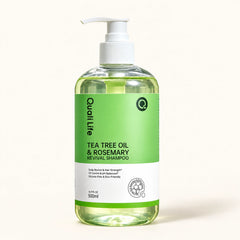
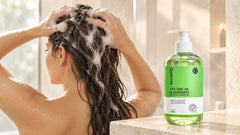
If you're looking for a cleansing option for an oily scalp and everyday buildup, you can explore QualiLife Tea Tree Shampoo. Its formula includes tea tree oil, rosemary extract, niacinamide, and biotin, and it is designed to wash away excess oil, impurities, and product residue.
Follow the package directions, focusing cleansing on your scalp and roots, rinsing thoroughly, and conditioning the lengths that need it. Whether daily use works for you still depends on how your scalp and hair respond. Switching shampoos doesn't guarantee that you'll be able to go longer between washes.
Dry shampoo can help temporarily freshen the appearance of oily roots, but absorbing oil isn't the same as cleansing. It shouldn't replace regular washing with shampoo and water, and you don't need to keep layering it on just to skip a wash.
Find a Washing Rhythm That Feels Right
So, how often should you wash greasy hair? There isn't one calendar that works for everyone. Daily or every-other-day washing may suit fine or straight hair that gets oily quickly. If your scalp is oily but your ends are dry, adjusting where and how you cleanse and condition matters, too.
Start with a manageable routine, notice how your hair feels over a few wash cycles, and make small adjustments. Aim for a comfortable scalp and well-cared-for strands.
If oiliness comes with persistent itching, redness, significant flaking, or unusual hair loss, don't rely only on washing more often. A dermatologist can help identify what's going on.