If your hair looks greasy soon after washing, you are not alone. Many people notice oily roots, flat hair, scalp odor, or a sticky feeling between wash days. It can be especially noticeable after a workout, during hot weather, or when you use several styling products.
So, why does my hair go greasy so fast? In most cases, it is related to a combination of natural scalp oil, sweat, product buildup, hair type, and everyday habits. It does not always mean that your scalp is dirty or that you need to use a stronger shampoo.
The most helpful approach is to match your washing routine to your scalp’s needs. With the right habits, you can learn how to get rid of greasy hair, reduce excess oil, and help your scalp feel fresher between washes.
Good to know: This article offers general hair and scalp care information. It is not intended to diagnose or treat a medical condition. If you have persistent itching, redness, painful bumps, heavy flaking, or a sudden change in scalp odor, speak with a qualified healthcare professional.
Why Does Your Scalp Stop Feeling Fresh Between Washes?
Excess oil and sebum
Your scalp naturally produces sebum, an oil that helps protect the skin and reduce moisture loss. When your scalp produces more oil than your hair can absorb or when oil is more visible on your hair type, your roots may look greasy, separated, or flat.
Fine and straight hair often shows oil more quickly than thick, curly, or textured hair. Your hair length, scalp type, climate, hormones, and daily routine can all affect how quickly your hair looks oily.
According to the American Academy of Dermatology’s healthy hair guidance, people should base their washing routine on how often their hair becomes dirty or oily. People with straight hair and an oily scalp may need to shampoo more often, while other hair types may need less frequent washing.
Sweat and daily activity
Exercise, warm weather, long commutes, and wearing hats can make your scalp feel warm and damp. Sweat is not the same as oil, but it can mix with sebum, product residue, and environmental debris. This may leave your roots feeling heavy or less fresh.
If you sweat heavily during a workout, it is reasonable to wash your hair sooner instead of forcing yourself to wait for a fixed wash day.
Product buildup
Hair oils, styling creams, gels, leave-in products, dry shampoo, and rich hair masks can build up around the roots when they are used too heavily or are not thoroughly rinsed away.
Product buildup may make your hair feel greasy, coated, or difficult to style. It can also contribute to scalp odor. The Cleveland Clinic’s guidance on smelly scalp notes that sweat, oil, and residue from hair products can all play a role in an unpleasant scalp smell.
Touching your hair too often
Repeatedly touching your hair can transfer oil from your hands to your roots. Frequent brushing, scratching, or rearranging your hair may also make the scalp feel less comfortable and cause the roots to lose volume more quickly.
8 Simple Ways to Keep Your Scalp Fresh Between Washes
1. Wash your scalp thoroughly
When you shampoo, focus on your scalp and roots rather than repeatedly scrubbing the full length of your hair.
Try this simple method:
- Fully wet your hair and scalp before applying shampoo.
- Apply shampoo mainly to the scalp and roots.
- Massage gently with your fingertips instead of scratching with your nails.
- Pay attention to areas that become oily first, such as the crown, hairline, and area around the ears.
- Rinse thoroughly until no shampoo or conditioner residue remains.
The American Academy of Dermatology recommends applying shampoo to the scalp rather than the entire length of the hair. This helps cleanse away excess oil, dead skin, and product buildup while reducing unnecessary dryness on the ends.
2. Dry your roots after washing
When wet roots stay close to the scalp for a long time, your hair may look flatter and heavier. After washing, gently squeeze out excess water with a towel and focus on drying the scalp and roots.
- Do not aggressively rub wet hair with a towel.
- Avoid sleeping with wet roots.
- Use a moderate temperature when blow-drying.
- Do not hold very hot air over one area for too long.
3. Rinse your scalp after intense workouts
If you cannot wash your hair immediately after exercising, start by keeping your scalp as dry and comfortable as possible.
- Gently towel-dry sweat around your hairline and scalp.
- Change damp hats, headbands, or towels.
- Avoid keeping sweaty hair tightly tied for a long time.
- Wash your hair sooner if your scalp feels very oily, damp, or uncomfortable.
Try not to cover workout odor with fragrance alone. Fragrance may temporarily change how your hair smells, but it does not replace regular cleansing.
4. Keep heavy products away from your roots
If you are learning how to fix oily hair, look at where you apply your products. Heavy products can make already-oily roots feel coated more quickly.
Use extra care with:
- Heavy hair oils;
- Oil-based styling products;
- Large amounts of leave-in conditioner;
- Rich hair masks applied close to the scalp;
- Layering several styling products on the same day.
When using a leave-in product, apply it mainly from the middle of the hair to the ends. The American Academy of Dermatology also recommends keeping leave-in conditioner away from the scalp and focusing it on the mid-lengths and ends.
5. Keep your pillowcase, hats, and hair tools clean
Pillowcases, hats, hairbrushes, headbands, and towels repeatedly touch your hair and scalp. Over time, they can collect sweat, oil, and styling product residue.
To support a fresher scalp routine:
- Change and wash pillowcases regularly.
- Clean hats and headbands according to their care instructions.
- Remove hair and product residue from hairbrushes.
- Use a clean towel after washing your hair.
- Avoid sharing items that touch the scalp.
6. Avoid constantly touching or brushing your roots
It is fine to style your hair, but constantly touching your crown, bangs, or hairline can make those areas look greasy faster.
Try to reduce unconscious hair-touching, scratching, and repeated brushing at the roots. If you need more volume, choose a lighter styling routine instead of repeatedly brushing the same area.
7. Use dry shampoo carefully, if needed
Dry shampoo for oily hair can temporarily absorb some oil and improve the appearance of greasy roots. It can be useful when you need a quick refresh, but it does not clean the scalp in the same way as water and regular shampoo.
When using dry shampoo:
- Apply a small amount only where you need it.
- Follow the product directions.
- Avoid repeatedly layering it over several days.
- Stop using it if your scalp feels irritated, itchy, or uncomfortable.
- Continue to wash with water and regular shampoo.
The American Academy of Dermatology’s dry shampoo guidance recommends washing with regular shampoo and water after one or two dry-shampoo uses rather than relying on dry shampoo continuously.
8. Choose a shampoo suited to your scalp needs
There is no single shampoo that works for everyone. If your scalp becomes oily quickly, look for a product that supports scalp cleansing and helps remove excess oil and everyday buildup without leaving your hair feeling uncomfortably stripped.
The goal is not to use the strongest cleanser possible. The goal is to find a routine that leaves your scalp feeling clean, comfortable, and balanced.
Choosing a Shampoo for a Fresher Scalp
For oily roots and scalp buildup
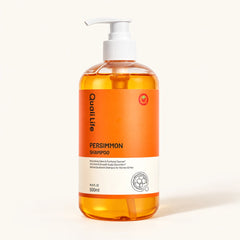
If your main concerns are oily roots, scalp odor, or scalp buildup, QualiLife Persimmon Shampoo can be part of a daily scalp-cleansing routine.
Its care direction is designed to:
- Help cleanse excess sebum and everyday buildup;
- Help neutralize unwanted scalp odors;
- Leave hair feeling cleaner, lighter, and more refreshed;
- Support a balanced and comfortable scalp care routine.
For use, massage the shampoo into the scalp for about one to two minutes and rinse thoroughly. It is a rinse-off cleansing product for everyday hair care, not an antiperspirant or medical treatment.
For a clean and refreshed scalp routine
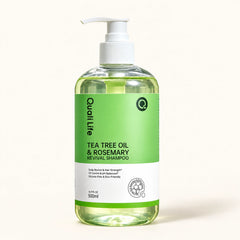
QualiLife Tea Tree Shampoo is designed around deep cleansing, oil control, and scalp balance. Its formula includes Tea Tree, Rosemary, Niacinamide, Biotin, and Kava.
Tea Tree helps cleanse excess oil and impurities. Rosemary supports a clean, revitalized feel, while Niacinamide supports a balanced scalp care routine. Biotin helps support stronger-looking hair, and Kava helps condition and smooth the hair.
This shampoo is best described as part of a clean, fresh, and balanced scalp routine. It should not be presented as a treatment for dandruff, fungal conditions, or other medical scalp concerns.
A Simple Between-Wash Scalp Routine
Wash day
- Fully wet your scalp and hair.
- Apply shampoo mainly to the scalp and roots.
- Massage gently with your fingertips.
- Rinse thoroughly.
- Apply conditioner mainly to the mid-lengths and ends.
- Dry the scalp and roots before going to bed.
The next day
- Avoid touching the roots too often.
- Do not apply large amounts of oil-based product near the scalp.
- Use a light styling routine if your roots feel slightly flat.
- Pay attention to how your scalp feels rather than following a rigid schedule.
After a workout
- Dry sweat around the hairline and scalp as soon as possible.
- Change damp hats, headbands, or towels.
- Avoid tying sweaty hair tightly for long periods.
- Wash sooner if your scalp feels oily, damp, or uncomfortable.
Before the next wash
Check whether your roots feel noticeably oily, your scalp has a strong odor, or your hair has visible product buildup. If it does, normal washing is more helpful than simply covering the smell with fragrance or adding more dry shampoo.
Common Mistakes That Can Make Your Scalp Feel Less Fresh
These habits may make it harder to keep hair fresh:
- Cleaning only the lengths of your hair and ignoring the scalp;
- Not rinsing shampoo or conditioner thoroughly;
- Going to bed with wet roots;
- Applying too much oil or leave-in product near the scalp;
- Using dry shampoo repeatedly without regular washing;
- Using very hot water or very hot air;
- Covering an oily scalp with fragrance instead of cleansing it;
- Scratching or touching the roots repeatedly;
- Over-cleansing because you are worried about greasy hair.
When Should You Wash Your Hair Sooner?
There is no universal number of days between washes. If you have an oily scalp, you may need to shampoo more often. If your hair is dry, curly, thick, or textured, washing too often may leave it feeling dry or difficult to manage.
Consider washing your hair sooner when:
- Your scalp feels noticeably oily;
- You have sweated heavily during exercise;
- Your roots have visible product buildup;
- Your scalp has a noticeable odor;
- Your hair no longer feels light or comfortable.
If greasiness or odor continues along with persistent itching, redness, heavy flaking, pain, crusting, or sudden changes, do not rely only on changing shampoos. A dermatologist or other qualified healthcare professional can help identify the cause and recommend appropriate care.
Frequently Asked Questions
Can I refresh my hair without washing it?
Yes, you can temporarily improve the appearance of oily roots without washing your hair. You can dry sweat, reduce heavy products, or use a small amount of dry shampoo if needed.
However, these steps do not fully remove sweat, sebum, and product residue. They should support—not replace—regular washing with water and shampoo.
How often should you wash oily hair?
There is no fixed schedule for everyone. If you have an oily scalp and your hair looks greasy quickly, you may need to wash more often. Your hair texture, length, climate, activity level, and product use should also guide your routine.
Why does my scalp smell after one day?
Scalp odor may be related to sweat, sebum, product residue, hats, pillowcases, or hair tools that need cleaning. If the odor continues or comes with itching, redness, or noticeable flaking, seek professional advice.
Does dry shampoo actually clean your scalp?
No. Dry shampoo mainly absorbs some oil and helps improve the appearance of greasy hair. It does not replace water and regular shampoo for removing sweat, oil, dead skin, and product residue.
How do you remove scalp buildup?
Start with thorough, regular shampooing that focuses on the scalp. Rinse carefully, limit heavy products near the roots, and avoid repeatedly layering dry shampoo. If buildup continues or your scalp becomes irritated, speak with a qualified healthcare professional.
What is the best shampoo for keeping your scalp fresh?
The best shampoo depends on your scalp and hair type. If your main concern is oily roots or scalp buildup, choose a shampoo that supports scalp cleansing and helps remove excess oil without leaving your hair uncomfortably dry.
QualiLife Persimmon Shampoo is suited to a routine focused on scalp odor, excess sebum, and everyday buildup. QualiLife Tea Tree Shampoo is suited to a routine focused on deep cleansing, oil control, and scalp balance.
Final Takeaway
If you are wondering, “why does my hair go greasy so fast?”, the answer is usually not just one thing. Natural sebum, sweat, product buildup, hair type, and daily habits can all affect how quickly your roots look oily.
To learn how to get rid of greasy hair and keep it feeling fresh for longer:
- Adjust your washing frequency to your scalp’s needs;
- Focus shampoo on the scalp and roots;
- Rinse thoroughly and dry your roots;
- Keep heavy products away from the scalp;
- Clean pillowcases, hats, brushes, and headbands regularly;
- Use dry shampoo as a temporary refresh, not a replacement for washing;
- Choose a shampoo that fits your scalp and hair type.
Small, consistent changes can help your hair feel cleaner, lighter, and more comfortable between wash days.
Sources & Further Reading
- American Academy of Dermatology: Tips for Healthy Hair
- American Academy of Dermatology: Dry Shampoo Tips
- Cleveland Clinic: Smelly Scalp
Explore QualiLife Hair & Scalp Care for a fresher, cleaner-feeling scalp routine.