wellness
Why Does My Scalp Smell Even After Washing?

In This Guide
A scalp that stays warm and damp for long periods may create conditions that favor bacterial and yeast growth. Along with a buildup of sweat, oil, and hair product residue, this can contribute to an unpleasant scalp odor.
You may have just washed your hair, and the lengths still smell like shampoo, yet there is a less-than-fresh scent near the roots. Or your scalp feels fresh after washing, but the odor returns later in the day or after a workout.
If your scalp smells even after washing, it does not necessarily mean you need to shampoo more often. Roots that stay damp, along with accumulated oil, sweat, dead skin, and product residue, are all worth checking. If you also have flakes, itching, or redness, your scalp may need more targeted care.
Our suggestion: make each wash more thorough before adding more washes. Check whether your shampoo reaches your scalp, whether you rinse completely, whether your roots dry properly, and whether your brush is overdue for a cleaning.
Why Does My Scalp Smell Even After Washing?
Your Shampoo May Not Be Reaching Your Whole Scalp
A head full of lather does not mean every part of your scalp has been cleansed. Thick or curly hair, or piling all your hair on top of your head while washing, can make it easy to miss areas near the back of your head, behind your ears, and along your hairline.
Focus your shampoo on your scalp. Use the pads of your fingers to massage gently in sections so the cleanser reaches your roots. Your lengths do not need repeated, vigorous scrubbing.
Oil, Sweat, and Product Residue May Still Be There
Your scalp produces sebum, its natural oil, and it also sweats. Add dead skin cells, hair oils, dry shampoo, and styling products, and your roots may start to feel sticky or coated. Microorganisms on the scalp can also play a role in odor.
When your hair smells after washing and the roots still clump together or feel coated, start by adjusting how you cleanse and rinse. A stronger fragrance can change what you smell, but it does not replace cleaning.
Flakes or Scalp Inflammation May Need a Different Approach
If odor keeps returning alongside noticeable flakes, itching, or redness, routine cleansing may not address the whole problem. Seborrheic dermatitis involves the scalp's inflammatory response and a yeast called Malassezia, which naturally lives on skin. This is not the same as having mold growing on your head.
In that situation, care should also address the flaking and inflammation, rather than simply switching to a more strongly scented shampoo.
Are You Washing Harder to Get Rid of the Smell?
Once you notice an odor, it is tempting to shampoo again, add a scalp scrub, and keep going with a cleansing brush. But if your scalp already feels tight, stings, or looks red after washing, more scrubbing may make it less comfortable. DermNet's guide to shampoo explains that overwashing and harsh cleansers can contribute to dryness and irritation.
We recommend making your cleansing more precise, rather than turning every wash into a deep exfoliation session.
Pause extra scrubs, scratching, and unnecessary exfoliation, and keep a shampoo routine that suits your scalp. If you need a dandruff product, avoid adding several aggressive cleansing treatments at the same time.
An oily scalp may need more frequent washing, while dry, curly, or tightly coiled hair needs a balance between scalp cleansing and keeping the lengths moisturized. Adjust your schedule to your oiliness, sweating, and comfort instead of repeatedly washing several times to chase away a smell.
How to Get Rid of Scalp Odor: Start With Your Next Wash
Step 1: Wet Thoroughly and Cleanse in Sections
Let the water reach your scalp and roots before applying shampoo. If your hair is thick, part it into a few sections with your fingers, then distribute the shampoo across your scalp.
Massage gently with your fingertips, paying attention to your crown, the back of your head, and your hairline. Avoid scratching with your nails or rubbing until your scalp feels hot.
Step 2: Rinse Completely and Repeat Only if Needed
Move your hair aside as you rinse, especially around your ears and the back of your head. If you have substantial styling residue or your scalp still feels oily after the first wash, a second gentle wash may be useful, depending on the product instructions and how your scalp tolerates it.
Double shampooing does not need to be a rule for every wash. Follow the label for the amount and application time of your regular shampoo. Medicated dandruff shampoos have their own directions.
Step 3: Condition Your Hair Without Coating Your Scalp
For fine or straight hair, focus conditioner on the ends. Dry or curly hair may benefit from conditioning more of the lengths. Regular conditioner is mainly for the hair itself. Rinse thoroughly if you are using a rinse-out formula, and avoid leaving a heavy coating on your scalp.
Step 4: Prioritize Drying the Roots if Your Hair Is Thick
Sometimes the ends feel dry, but the roots underneath are still damp. If your hair is thick or dense and takes a long time to air-dry, gently blot it with a towel first, then dry it in sections.
You can aim to get your hair about 90% dry overall, but the more useful check is whether the roots and the area close to your scalp feel dry.
Use a low or medium heat setting and keep the dryer moving instead of directing high heat at one spot. Avoid tying your hair tightly, putting on a hat, or going to bed while your roots are still wet.
The goal is to avoid prolonged dampness, not to treat air-drying as a mistake. University of Utah Health's advice on sleeping with wet hair notes that a scalp that stays damp for long periods can encourage microbial growth, while wet hair is also more vulnerable to friction damage.
Do Not Overlook the Brush You Use Every Day
You may have carefully washed your hair, then reached for the same brush holding old hair oil, dust, and product residue. Brush care is a small detail we recommend adding to your routine, especially if you use hair oils or styling products often.
- Remove trapped hair from the teeth or bristles after each use.
- Check the teeth, bristle bases, and brush pad regularly, and clean away visible oil or residue.
- For washable plastic tools, follow the manufacturer's instructions and use warm water with a small amount of cleanser, then rinse and let them dry completely.
- Follow the care instructions for wooden combs, cushioned brushes, or tools with special coatings, and avoid prolonged soaking.
Regularly remove hair, oil, and product residue, then wash and dry your tools as their material allows. Between cleanings, if the material is compatible, you can use an alcohol-based disinfectant labeled for use on objects or surfaces. Follow its spraying directions and required contact time, and let the tool dry completely before using it.
Avoid sharing combs and brushes. If you have a diagnosed fungal scalp infection, follow your clinician's advice about disinfecting or replacing your tools, since contaminated items can help spread infection.
Choosing a Shampoo for Smelly Scalp Concerns
Everyday Odor Care: Focus on Freshness and Comfort
If your main concern is everyday scalp odor, look for a shampoo that washes away sweat, excess oil, and daily residue while leaving your scalp feeling comfortable.
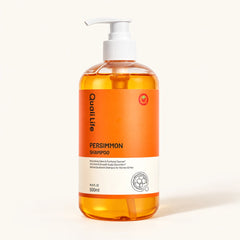
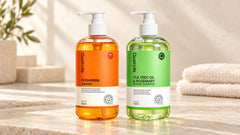
QualiLife Persimmon Shampoo is an option for routine cleansing and scalp odor care. Formulated with persimmon extract, it is designed to help neutralize unwanted scalp odors while cleansing away sweat, excess sebum, and buildup.
Oily Scalp Odor and Buildup: Focus on Cleansing Excess Oil and Residue
If odor tends to come with greasy roots and heavy styling residue, consider a formula suited to those cleansing needs.
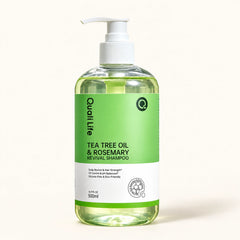
QualiLife Tea Tree Shampoo focuses on cleansing excess oil and scalp buildup, making it an option for a daily care routine when roots feel greasy or weighed down.
Our selection tip: start by exploring persimmon shampoo if everyday odor care is your main priority, or tea tree shampoo if oiliness and buildup are more noticeable.
For more on why your roots become oily quickly, read Why Does My Hair Go Greasy So Fast?
Recurring Odor With Flakes or Itching: Consider Targeted Dandruff Care
If you are cleansing and rinsing thoroughly but odor keeps returning with flakes or itching, consider a dandruff shampoo used according to its label, or ask a pharmacist or dermatologist for guidance.
Medicated shampoos containing active ingredients such as ketoconazole or selenium sulfide can be used for certain dandruff or seborrheic dermatitis concerns. The British Association of Dermatologists' guide to seborrheic dermatitis explains these treatment options.
Application frequency and contact time vary by product. Follow the specific label rather than rinsing immediately or leaving it on longer than directed.
When Should You Have Your Scalp Checked?
See a dermatologist if odor persists after you adjust your routine, or if you notice significant redness, pain, pustules, oozing, crusting, or unusual hair loss.
In particular, do not rely on dandruff shampoo alone if you have patches of broken hair or patchy hair loss. Scalp ringworm, also called tinea capitis, can require prescription oral antifungal treatment. Shampoo does not replace the full treatment plan, as explained in the British Association of Dermatologists' information on tinea capitis.
At home, focus on cleansing, rinsing, drying, and caring for your tools. Scalp conditions that need treatment benefit from a plan that addresses the specific cause.
Frequently Asked Questions
Can You Have Scalp Odor Without Dandruff?
Yes. Oil, sweat, dead skin cells, and product residue can also contribute to a smelly scalp. If you do not have flakes, start by cleansing your scalp thoroughly, rinsing completely, and cleaning your brush.
Do You Need to Wash Your Hair Immediately After a Workout?
Consider how much you sweated and how your scalp feels. If your roots are greasy, damp, and noticeably smelly, washing may be useful. If you only sweated a little, let your roots dry and cleanse when needed. Dry shampoo can temporarily absorb oil, but it does not replace washing with shampoo and water.
Do You Need to Exfoliate Your Scalp Every Time You Wash?
No. Regular shampooing already removes some dead skin, oil, and daily residue. If your scalp smells, check whether you are cleansing thoroughly before automatically adding a scrub or an exfoliating acid. Reduce extra irritation, especially if your scalp is already stinging or red.
Make Your Routine More Complete Before Making It More Intense
At your next wash, pay attention to the easy-to-miss details: cleanse your scalp in sections, rinse thoroughly, dry the roots of thick hair, and clean your usual brush. Keep a simple routine you can follow consistently, and notice how fresh and comfortable your scalp feels afterward. If odor keeps returning, especially with flakes, itching, or other changes, move toward care that addresses those symptoms.