hair scalp
QualiLife Persimmon vs. Tea Tree Shampoo: How to Choose

In This Guide
Your hair feels fresh right after washing, but a few hours later, your roots start looking oily again. After a workout, you may also notice that your scalp smells less than fresh. When you see QualiLife’s persimmon and tea tree shampoos, you might wonder: if both focus on scalp cleansing, which one should you choose?
If everyday scalp odor is your main concern, start with Persimmon Shampoo. If greasy roots and buildup bother you more, start with Tea Tree Shampoo.
This starting point reflects each product’s formula and focus. Both offer scalp cleansing, and their uses overlap. Your hair type, how comfortable your scalp feels after washing, and your individual preferences can help you decide.
Persimmon vs. Tea Tree Shampoo at a Glance
| What to Compare | QualiLife Persimmon Shampoo | QualiLife Tea Tree Shampoo |
|---|---|---|
| Main focus | Scalp cleansing and everyday odor care | Cleansing excess oil and everyday buildup |
| Featured ingredients | Persimmon extract, gentian root, portulaca, and fructooligosaccharides | Tea tree oil, rosemary extract, niacinamide, and biotin |
| When to consider it | Scalp odor is your main concern, and you also want to wash away excess oil and buildup | Greasy roots, weighed-down hair, or styling product buildup are your main concerns |
| What they have in common | Cleanses the hair and scalp with a blend of cleansing and conditioning ingredients | Cleanses the hair and scalp with a blend of cleansing and conditioning ingredients |
Both shampoos help wash away excess oil and everyday buildup. Persimmon Shampoo puts more emphasis on scalp odor care and a soft, lightweight hair feel, while Tea Tree Shampoo focuses more on cleansing oil and product residue. Choose according to your main scalp concern, or alternate between them as part of your routine.
When to Choose QualiLife Persimmon Shampoo
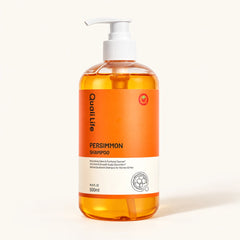
Consider Persimmon Shampoo if scalp odor is your main concern, especially when you also have oily roots or hair that feels flat.
After sweating or going about your day, your scalp may start feeling less than fresh. If you are looking for a shampoo for smelly scalp concerns, QualiLife Persimmon Shampoo combines persimmon extract with a cleansing formula to help wash away sweat, excess oil, and everyday buildup as part of your regular scalp care.
It is also an option if your hair often feels greasy or weighed down. Washing away excess oil and buildup helps hair feel cleaner and lighter, while conditioning ingredients and corn oil help improve its feel, leaving it softer, smoother, and easier to manage.
Gentian root, portulaca, and sophora root complement the cleansing formula for everyday scalp care. Litsea cubeba fruit oil adds a fresh citrus scent, making this an option for people who enjoy that fragrance after washing.
Choose it for: everyday scalp odor care, cleansing excess oil, and a soft, lightweight hair feel.
When to Choose QualiLife Tea Tree Shampoo
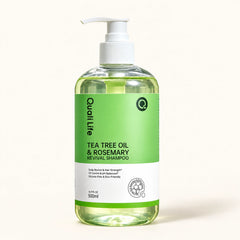
Consider Tea Tree Shampoo if your main concerns are greasy roots, scalp buildup, or hair that feels heavy after using styling products.
QualiLife Tea Tree Shampoo pairs its cleansing formula with tea tree oil to help wash away excess oil, impurities, and product residue. It leaves the scalp and roots feeling cleaner, lighter, and fresher. If you are considering tea tree shampoo for oily scalp care or looking for a shampoo for scalp buildup, this is an option to explore.
Alongside cleansing, the formula supports a comfortable everyday wash routine. Its pH-balanced formula includes niacinamide and rosemary extract, together with biotin, botanical extracts, and conditioning ingredients for hair care and a pleasant feel after washing.
The formula is also designed for normal, color-treated, permed, and keratin-treated hair. When choosing, consider both your scalp’s cleansing needs and the care your hair lengths need.
Choose it for: washing away excess oil and product residue, with everyday care for both the scalp and hair.
How to Choose When Your Scalp Is Both Oily and Smelly
You do not have to fit neatly into an “odor” or “oily scalp” category. These three steps can help you decide.
Step 1: Identify Your Main Concern
If odor bothers you most, start by exploring the persimmon formula. If oiliness and buildup are more noticeable, start with the tea tree formula. Both provide cleansing, so you can choose based on what matters most to you right now.
Step 2: Alternate According to Your Scalp’s Needs
You can use the two shampoos on different wash days and alternate between them regularly. Reach for Persimmon Shampoo when scalp freshness and odor care are your priority, and Tea Tree Shampoo when you want to focus on oiliness and product residue. Adjust the schedule according to how comfortable your scalp feels after washing.
Step 3: Look for Cleansing That Feels Comfortable
A good wash should leave your scalp feeling clean and comfortable, without ongoing tightness, stinging, or irritation. If irritation occurs, stop using the product.
If your scalp is oily but your ends are dry, focus shampoo on the scalp and roots, then apply conditioner to the mid-lengths and ends according to your hair’s needs. When choosing a shampoo for oily scalp care, consider both clean roots and manageable lengths. For more on greasy roots, read our guide to why hair gets greasy so quickly.
Make Your Shampoo Part of a Simple Wash Routine
Once you have chosen a shampoo, a few washing habits can help you get the most from your routine.
- Wet your scalp and hair thoroughly. This helps the shampoo spread more evenly.
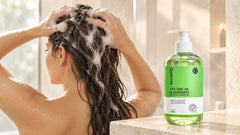
- Massage gently with your fingertips. Following the directions for both products, gently massage for about 1–2 minutes, then rinse thoroughly.
- Rinse everything out. Pay attention to your scalp, roots, and the back of your head to wash away all lather and shampoo residue.
- Use conditioner as needed. This is especially helpful when your mid-lengths and ends feel dry or tangle easily.
- Adjust your washing frequency. Let oiliness and how your scalp feels after washing guide your schedule.
Thorough rinsing matters. DermNet’s shampoo guide notes that inadequate rinsing can leave shampoo residue, while overwashing can contribute to dryness and irritation. Aim for a wash that leaves your scalp both clean and comfortable.
Frequently Asked Questions
Can I Alternate Between Persimmon and Tea Tree Shampoo?
Yes. You can alternate between them on different wash days: use the persimmon formula when scalp odor is your priority, and the tea tree formula when oiliness and product residue are your main concerns. Adjust how often you use each according to your scalp’s needs and how it feels after washing.
Can I Use Either Shampoo Every Day?
Yes, both are designed for regular washing. If your scalp gets oily easily, or you exercise and sweat frequently, daily washing may fit your needs. If your hair is dry or your scalp feels tight after washing, space out your wash days and use conditioner on the mid-lengths and ends.
Which Should I Choose If I Also Have Noticeable Dandruff or Persistent Itching?
For cleansing excess oil and everyday buildup, consider the tea tree formula. For everyday scalp odor care, consider the persimmon formula. If you have noticeable dandruff or persistent itching, speak with a dermatologist about targeted scalp care. Seek medical advice promptly if you also notice redness, swelling, or pain. The NHS dandruff guide offers further advice on symptoms and when to get help.
Choose the Shampoo That Fits Your Current Needs
Start with a simple question: are you more concerned about everyday scalp odor, or oiliness and buildup?
If odor care is your priority, explore QualiLife Persimmon Shampoo. If cleansing excess oil and buildup matters more, explore QualiLife Tea Tree Shampoo. Then let your scalp’s comfort, how clean your roots feel, and the condition of your hair help you decide how each fits into your routine.