body care
What Does Salicylic Acid Soap Do

In This Guide
Your skin feels oily again soon after washing. Your back or chest gets the occasional breakout. Or certain areas never seem to feel quite smooth. If any of this sounds familiar, you may be wondering what salicylic acid soap can do that an ordinary cleansing bar cannot.
Salicylic acid soap combines cleansing with exfoliation. It washes away excess surface oil and everyday dirt while salicylic acid helps loosen dead skin buildup and unclog pores. For oily, congestion-prone, or blemish-prone skin, it can be a useful addition to a cleansing routine.
At QualiLife, we put more emphasis on comfortable skin after washing and gradual changes with consistent use than on a strong, stripped-clean feeling. Here is what to know about the benefits, uses, and everyday experience of using this type of soap.
What Is Salicylic Acid Soap?
Salicylic acid soap is a rinse-off cleanser formulated with salicylic acid, an exfoliating ingredient commonly called a beta hydroxy acid, or BHA, in skin care.
A regular cleansing bar mainly washes away surface oil and dirt. A salicylic acid bar soap adds an exfoliating step to help loosen dead skin buildup. As DermNet explains in its guide to salicylic acid, the ingredient has keratolytic properties and is used in care for thickened, scaly skin as well as blackheads and whiteheads.
You will also find salicylic acid in facial cleansers, serums, and creams. A cleansing bar is designed to be rinsed off: follow its directions, wash gently, and rinse thoroughly rather than leaving the lather on like a mask.
If you are still choosing between a solid bar and a liquid cleanser, our guide to body wash vs. bar soap can help you compare the formats.
What Is Salicylic Acid Soap Good For?
Helping Unclog Pores
Oil and dead skin cells can build up inside pores and contribute to congestion. Salicylic acid helps loosen that buildup, which is why it is commonly used in products for blackheads, whiteheads, and clogged pores.
If your nose, chin, or back tends to feel congested, a salicylic acid cleanser offers a way to bring exfoliation into your usual wash. Keep your touch light; repeatedly rubbing an area to make it feel extra clean can leave it irritated.
Exfoliating Dead Skin for a Smoother Feel
Salicylic acid helps loosen and remove accumulated dead skin cells. It does not need gritty particles or vigorous scrubbing to do its job.
When surface buildup contributes to a rough feel, appropriate exfoliation can help skin feel smoother. Visible peeling is not a goal you need to aim for. Comfortable skin and a gradual improvement in texture are more useful things to watch for.
Supporting Care for Blemish-Prone Skin
Clogged pores play a part in acne development. Topical salicylic acid is used to help clear and prevent pimples, and acne treatment formulations can also help reduce redness and swelling.
A cleanser containing salicylic acid can fill the cleansing step of a routine for areas prone to oiliness and congestion, including the face, back, and chest. For acne treatment, choose a product labeled for that purpose. Persistent, painful, or scarring breakouts deserve a treatment plan from a dermatologist.
Caring for Rough, Bumpy-Feeling Areas
Salicylic acid also appears in products designed for rough skin and excess keratin buildup. For example, some creams for keratosis pilaris contain salicylic acid, lactic acid, or urea to help soften the small bumps and improve their feel.
A cleansing bar has a more specific place in that routine: washing the skin and helping exfoliate surface buildup. If roughness is an ongoing concern, an appropriate moisturizer can complement your cleansing step.
Who Might Benefit From Salicylic Acid Soap?
If you are looking for a body soap with salicylic acid, start with what you want from your routine. It may be worth considering if you:
- Have oily skin and want to wash away excess surface oil and everyday buildup.
- Notice clogged pores on your face, back, or chest.
- Want to include exfoliation in your shower routine.
- Have rough-feeling areas you would like to care for during cleansing.
You can also choose where to use it. If your back needs exfoliating care but your arms and legs tend to feel dry, those areas do not all need the same cleanser or exfoliation schedule.
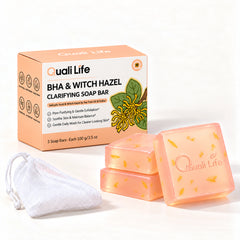
QualiLife Salicylic Acid Bar Soap with Witch Hazel combines a low concentration of salicylic acid with witch hazel, sulfur, and tea tree oil. It is designed for cleansing and surface exfoliation for oily, combination, and blemish-prone skin, with use on the face and body. Start a few times a week, as directed, and adjust according to how your skin feels.
Who Should Avoid Using Salicylic Acid?
Dry and sensitive skin types should take extra care when choosing salicylic acid products. If your face is already dry, red, peeling, or prone to stinging when you wash, skip facial salicylic acid for now. Focus on gentle cleansing and moisturizing until your skin feels comfortable again.
Different areas of your body may tolerate products differently from your face. If your face is sensitive but your back or chest tends to feel oily or congested, try the product on a small part of the intended body area first. If you do not experience discomfort, introduce it gradually according to the label and apply moisturizer after washing. Continue watching for reactions as you use it.
Our approach is to choose care by area and make moisturizing part of the exfoliation routine. Body skin still benefits from a gentle touch, so using a product in the shower is not a reason to wash more often or scrub harder.
Avoid salicylic acid if you are allergic to it or another ingredient in the product, and keep it off broken, infected, or visibly irritated skin. If you are receiving dermatologic treatment, pregnant, or breastfeeding, ask your clinician or pharmacist about an appropriate way to use it.
The Right Way to Use Salicylic Acid Soap
The right concentration and frequency help salicylic acid fit into a comfortable routine. Using it too often, or combining several exfoliating products, can lead to dryness, tightness, and irritation.
A cleanser can wash away excess surface oil, but skin still needs its normal oils and moisture. We recommend aiming for a clean, comfortable feel instead of repeatedly washing to get a strong degreasing sensation.
To use a salicylic acid soap bar:
- Read the label and test a small area first. Follow the product's instructions and observe your skin before adding it more widely to your routine.
- Wet your skin with warm water. Work the bar into a lather between your hands.
- Cleanse gently. Apply the lather to the intended areas, avoiding the eyes, mucous membranes, and broken skin. Do not repeatedly rub the same spot.
- Rinse thoroughly. Follow the directions rather than extending the contact time yourself.
- Moisturize afterward. Gently pat your skin dry and apply a lotion or cream that suits your skin.
- Let the bar drain. Store it on a well-draining soap dish between uses.
For QualiLife's bar, follow the directions to start a few times a week and moisturize after cleansing. Keep other exfoliating steps simple while you get used to it, so you can see how your skin responds.
For help planning the rest of your routine, read our guide to how often to exfoliate your body.
Can I Use Salicylic Acid Soap Every Day?
Some salicylic acid cleansers can be used daily, depending on their directions and your skin's tolerance. If a few uses each week meet your needs and leave your skin comfortable, it is fine to keep that schedule.
If increasing the frequency leads to tightness, dryness, or irritation, use it less often or pause as needed. Daily use does not have to be a goal; let your skin's needs guide the schedule.
What Should You Expect After Using Salicylic Acid Soap?
At first, you may notice less surface greasiness and a freshly cleansed feel. Changes in congestion, blackheads, or blemishes take more time to assess.
MedlinePlus notes that topical salicylic acid used for acne and certain other conditions can take several weeks or longer to show its full benefit. With soap, check in periodically on the areas you are caring for, using similar lighting and noticing both appearance and comfort.
Introducing several new products at once makes those changes harder to follow. Keep the rest of your routine consistent while you see how the new cleanser fits.
What Are the Disadvantages of Salicylic Acid?
The main drawbacks to watch for are dryness and irritation, especially when you first start, use the product too frequently, or combine several exfoliating treatments.
Dryness and Peeling
Tightness, flaking, or a noticeably greater need for moisturizer can be signs that your current routine is too intensive. Reduce the frequency and focus on gentle cleansing and moisturizing while your skin settles. You do not need visible peeling for exfoliation to be worthwhile.
Irritation, Redness, or Stinging
If you experience persistent stinging, burning, or noticeable redness, stop using the product, rinse it off, and pause other exfoliating steps. Seek professional advice if the reaction is severe or does not settle.
Sun Protection During Use
Keep sun protection in your daytime routine when using salicylic acid products, including on your face, shoulders, and other exposed areas. Use sunscreen as directed, cover up where practical, and avoid prolonged sun exposure. The FDA includes sun protection among its recommendations for people using BHA products.
Why Is My Skin Worse After Using Salicylic Acid?
Some people experience a temporary worsening of acne when they first start topical salicylic acid. This is sometimes called “purging,” but describing it as a skin detox is misleading: salicylic acid does not remove toxins by making your skin break out.
Look at what changed in your routine. Did you go from occasional use straight to daily washing? Did you also introduce an exfoliating serum, body scrub, or another acne treatment? Are the new breakouts accompanied by dryness, redness, or stinging?
If you develop that discomfort, pause the new product, simplify your cleansing routine, and moisturize. If breakouts keep increasing, become painful, or start leaving scars, seek help from a dermatologist rather than trying to push through.
Salicylic acid soap brings cleansing and exfoliation into one step. Choose the areas that need that care, begin at a frequency your skin tolerates, and follow with moisturizer to make it a comfortable part of everyday life.