wellness
Deodorant vs. Antiperspirant: What’s the Difference

In This Guide
You put on deodorant before heading out, but by the afternoon your underarms still feel damp. After a workout, you notice sweat marks on your shirt, too. Does that mean your product isn't working?
Start by checking which type of product you're using. Deodorant mainly helps control odor, while antiperspirant helps reduce sweating. Some products do both. DermNet's guide to antiperspirants explains this distinction.
When comparing deodorant vs antiperspirant, think about what you want to manage. If underarm odor is your main concern, deodorant may be a good fit. If you want less dampness and fewer sweat marks on your clothes, consider an antiperspirant. Understanding their roles makes your daily routine much simpler.
What's the Difference Between Deodorant and Antiperspirant?
The main point in an antiperspirant vs deodorant comparison is whether the product targets odor, sweat, or both. Here's a quick overview.
| Feature | Deodorant | Antiperspirant |
|---|---|---|
| Main purpose | Helps control body odor | Helps reduce sweating where it is applied |
| Sweat reduction | A deodorant-only formula is not designed to reduce sweating | Contains active ingredients that reduce sweating |
| Common formula features | Uses odor-control ingredients; some formulas also contain fragrance | Common U.S. products use aluminum salts as antiperspirant active ingredients |
| Best suited to | Keeping odor in check while allowing normal sweating | Reducing underarm dampness and sweat marks |
| What to look for on the label | Deodorant | Antiperspirant, or Antiperspirant Deodorant for a combination product |
Check the product name and intended use when shopping. Sticks, roll-ons, gels, and sprays are formats: any of them may be a deodorant or an antiperspirant.
How Does Deodorant Work?
Underarm odor usually develops when bacteria on the skin break down compounds in sweat. Heat, exercise, and stress can increase sweating, while damp clothing can make odor more noticeable.
Deodorants focus on odor management. Depending on the formula, they may limit the activity of odor-producing bacteria, help neutralize odor, or use fragrance to mask it. A research review on body odor and deodorant ingredients describes these different approaches.
The goal is to help you smell fresh during everyday activities, from commuting to heading out or refreshing after exercise, while your skin can still sweat normally.
Does Deodorant Stop Sweating?
A deodorant-only product does not reduce sweat flow the way an antiperspirant does. If your underarms smell fresher but still sweat, that is consistent with what deodorant is designed to do.
If you want fewer sweat marks on your clothes, look for a product clearly labeled Antiperspirant. If odor is your main concern, you can keep using a deodorant that suits your preferences.
Body odor can also have different sources. Research on 2-nonenal has linked this compound to the oxidation of skin lipids and some age-related changes in body odor. To learn more, explore our What Is Nonenal? guide.
How Does Antiperspirant Work?
Common antiperspirants sold in the United States use aluminum salts as active ingredients, such as aluminum chlorohydrate or certain aluminum-zirconium compounds. These ingredients form temporary plugs within sweat ducts, helping reduce the amount of sweat that reaches the skin's surface.
The International Hyperhidrosis Society's antiperspirant guide explains how this process helps reduce wetness.
This is the main difference from a deodorant-only product: antiperspirant targets sweat and dampness. Some formulas also contain deodorant ingredients, making combination products convenient if both odor and sweat marks bother you.
How to Tell Whether a Product Is an Antiperspirant
Antiperspirants sold in the United States generally have a Drug Facts label. Look for these three sections:
- Active ingredient: The antiperspirant ingredient and its concentration.
- Purpose: Typically listed as Antiperspirant.
- Uses: Describes reducing underarm sweat or dampness, such as “reduces underarm wetness.”
The FDA's antiperspirant monograph defines an antiperspirant as a product that reduces perspiration at the application site. Aim for less sweat and dampness rather than expecting to stay completely sweat-free all day.
Should I Use Deodorant or Antiperspirant?
Start with the concern you most want to address.
Choose Deodorant If Odor Is Your Main Concern
If you're comfortable sweating normally in hot weather or during exercise and mainly want your underarms to smell fresh, deodorant is a straightforward choice.
Cleanse, dry your skin, and apply deodorant as part of your daily routine. If you need to reapply while you're out, clean away sweat and dry the area first, then follow the product's directions.
Choose Antiperspirant If Dampness and Sweat Marks Bother You
If wet underarms feel uncomfortable or you want fewer sweat marks on your clothes, choose an antiperspirant and use it as directed.
This approach can suit hot days, formal occasions, or everyday commuting. Focus on finding a formula and application schedule that work for you.
Choose a Combination Product or Use Them at Different Times
A product labeled Antiperspirant Deodorant can address both concerns in one step.
If you already have a deodorant you enjoy, you can also use antiperspirant at night and deodorant during the day as needed. We'll walk through that routine below.
Understanding Aluminum-Free and Baking Soda-Free Deodorant
Aluminum-Free Deodorant: Focused on Odor Control
An aluminum free deodorant does not use aluminum-based antiperspirant ingredients. It focuses on everyday odor care and can be a good fit if you prefer this type of formula and are comfortable sweating normally.
Some deodorant formulas also include ingredients that absorb surface moisture for a more comfortable feel. Absorbing moisture on the skin and reducing sweat flow are different functions.
Baking Soda-Free Deodorant: Another Formula Option
A baking soda free deodorant is formulated without baking soda, also called sodium bicarbonate. If you've experienced discomfort with baking soda-containing products in the past, choosing a formula without that ingredient is a practical option.
Aluminum-free and baking soda-free describe two separate formula features, so check for each one when shopping.
A QualiLife Persimmon Deodorant Example
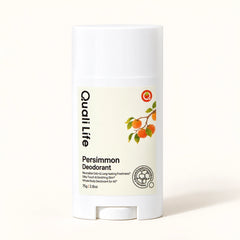
If everyday body odor is your main concern and you prefer an aluminum-free, baking soda-free formula, consider QualiLife Persimmon Deodorant. Its formula features Japanese persimmon extract for daily odor care, along with squalane, panthenol, and ceramide NP to help keep skin feeling soft and comfortable. A light tangerine scent adds a fresh touch to your routine.
The smooth stick glides on easily and is designed to leave a fresh feel with minimal visible white marks or sticky residue. After showering, dry your skin, apply a thin layer to your underarms, and let it dry briefly before getting dressed. Reapply during the day as needed.
How to Use Deodorant and Antiperspirant After Showering
You don't need a complicated routine. Cleanse first, dry your skin thoroughly, and then apply your product according to its type.
For Deodorant: Cleanse, Rinse, Dry, and Apply a Thin Layer
- Cleanse your underarms. Gently wash with a body wash or soap that suits your skin to remove sweat and product residue.
- Rinse thoroughly. Wash away the cleanser without scrubbing aggressively.
- Dry completely. Pat your underarms dry with a clean towel. If you're still sweating after your shower, let your body cool down and wait until the skin is dry.
- Apply a thin, even layer. Follow the deodorant label and let the product dry briefly before putting on clothes.
You can follow these steps after a morning shower or clean and dry your skin before reapplying after exercise. QualiLife Persimmon Deodorant's directions recommend a thin, even layer on clean, dry skin.
When to Apply Antiperspirant
Many common antiperspirants work best when applied at night to completely dry underarms. Follow your product's label for how often to use it.
The International Hyperhidrosis Society's application tips emphasize bedtime application and completely dry skin to support effectiveness and reduce irritation.
If you shower at night, follow this order:
- Cleanse your underarms and rinse thoroughly.
- Dry your skin, let your body cool down, and wait until your underarms are no longer damp.
- Apply the amount of antiperspirant directed on the label.
- Let the product dry before putting on sleepwear.
If you usually shower in the morning, you can still apply antiperspirant before bed. You don't need to add a full shower just to apply it.
Using Both: Antiperspirant at Night, Deodorant During the Day
To manage both sweat and odor, try this simple schedule:
- At night: Apply antiperspirant to clean, completely dry underarms according to the label.
- The next morning: Follow any washing instructions on the antiperspirant label. After showering or cleansing, dry your skin and apply deodorant as needed.
Separating the steps makes the routine easier to follow. There is no need to layer both products immediately onto damp skin after a shower.
If a combination product already meets your needs, use it as directed. If shaving has left your skin broken or stinging, wait until it has healed and feels comfortable before applying your product. Stop using a product if a rash or persistent irritation develops.
Keep Your Daily Freshness Routine Simple
Deodorant and antiperspirant have different roles. Choose deodorant for odor control, antiperspirant for less underarm wetness and fewer sweat marks, or a combination product if you want both. You can also use antiperspirant at night and deodorant during the day.
Gentle cleansing, thoroughly drying your skin, applying your product correctly, and changing out of sweaty clothes can help you build a routine that's easy to maintain. If sweating interferes with daily life or changes suddenly, speak with a healthcare professional.