wellness
What Order Should You Use Products in the Shower

In This Guide
Shampoo, conditioner, body wash, a body scrub, and shaving cream—once your shower shelf fills up, it is easy to reach for whichever bottle is closest. A clear order makes your routine easier to follow and helps you rinse away product residue before moving on to the next step.
A practical shower routine order is: shampoo, condition and rinse, wash your body, exfoliate if needed, shave if needed, cleanse your face, rinse thoroughly, and moisturize after your shower.
You can skip the hair steps on days you are not washing it. Exfoliating and shaving are optional, too. Here is how to put each product in its place.
What Is an Everything Shower?
An everything shower is a more complete hair and body care session. Along with your usual cleansing, it might include a hair mask, body exfoliation, shaving, and moisturizing afterward.
Think of it as a little extra time for your routine. There is no required number of products, and you do not need to do it every day. Keep everyday showers simple and add the extra steps when you need them.
Everything Shower Order: A Quick Guide
Use this everything shower order as an easy reference, keeping only the steps you need that day.
| Step | Product or action | What to do |
|---|---|---|
| 1 | Warm water | Wet your hair and body. |
| 2 | Shampoo | Cleanse your scalp, then rinse. |
| 3 | Conditioner or a rinse-out hair mask | Use as directed, then rinse thoroughly. |
| 4 | Body wash or a cleansing bar | Wash your body, then rinse. |
| 5 | Body scrub, if needed | Massage gently onto damp skin, then rinse. |
| 6 | Shaving cream or gel and a razor, if needed | Shave gently, then rinse. |
| 7 | Facial cleanser and a final rinse | Cleanse your face if needed and rinse away remaining products. |
| 8 | Moisturizer and other after-shower products | Moisturize your body; let underarms dry before applying deodorant as directed. |
Finish washing your hair before cleansing your body. This makes it easy to wash away shampoo and conditioner that run onto your shoulders, chest, or back. Intermountain Health's shower guide follows this hair-first, body-second approach and treats exfoliation as an optional step afterward.
Shampoo or Conditioner First?
For a standard hair-washing routine, use shampoo first, rinse it out, then apply conditioner.
Wet your hair thoroughly and gently massage shampoo into your scalp with your fingertips. Focus on your roots and scalp rather than repeatedly rubbing the full length of your hair. The lather will pass through your strands as you rinse.
Next, apply conditioner. For fine or straight hair, focus on the mid-lengths and ends. Dry or curly hair may benefit from conditioner through more of the hair's length. Follow the product directions for the amount and leave-on time.
If you are using a rinse-out hair mask, place it where its instructions recommend. You do not need to layer a mask and conditioner just to make the routine feel complete. Pre-shampoo masks and pre-wash oils belong before shampooing.
Once your conditioner is fully rinsed out, move on to washing your body.
Body Scrub Before or After Body Wash?
When using a separate body scrub, wash your body first, then exfoliate. Cleansing removes sweat, surface dirt, and everyday residue; your scrub then works on dead skin at the surface.
First, cleanse your body
Apply your cleanser with your hands or a soft washcloth, paying attention to your underarms, feet, and areas where sweat collects. Rinse thoroughly.
A body wash or a regular body cleansing bar can fill this step. Choose one that suits your skin. If you enjoy using both, avoid repeatedly washing the same area.
Next, use your scrub on damp skin
Apply a small amount of scrub and massage gently in circles, focusing on rough areas such as elbows, knees, and feet. Rinse with water. Use light pressure rather than scrubbing until your skin turns red.
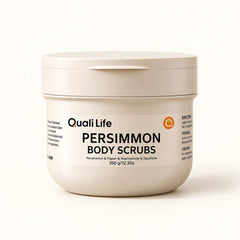
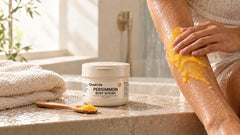
For example, QualiLife Persimmon Body Scrub fits after body cleansing: apply it to damp body skin, massage gently, and rinse thoroughly. Keep it in your body care routine and choose a product made for the face if you want facial exfoliation.
After rinsing off your scrub, you usually do not need another full-body wash. If your exfoliating product also acts as a cleanser, follow its directions instead.
On scrub days, skip extra friction from a rough loofah or exfoliating gloves. If your skin is red, stinging, or broken, pause exfoliation and keep your routine gentle.
Should You Exfoliate Before or After Shaving?
If you are including both steps, place gentle exfoliation before shaving. After shaving, focus on rinsing and moisturizing.
Gently exfoliate, rinse away the scrub, and then apply shaving cream or gel. UPMC's shaving guidance also places exfoliation before shaving and recommends wetting the skin, using shaving cream or gel, and moisturizing afterward.
- Thoroughly wet the area you plan to shave.
- If gentle exfoliation is part of that day's routine, finish it and rinse.
- Apply shaving cream or gel according to its directions.
- Use a clean, sharp razor and shave gently in the direction of hair growth.
- Rinse the blade frequently and avoid repeated passes over the same spot.
- Rinse your skin and apply a gentle, fragrance-free moisturizer after your shower.
If shaving tends to leave your skin red or stinging, schedule exfoliation and shaving on different days. On shaving days, stick to cleansing, shaving cream, and moisturizing. Return to exfoliation when your skin feels comfortable again.
Keep your scrub and shaving cream in their separate steps. Shaving cream or gel helps the blade glide; rinse your scrub off before applying it.
Finish With Face Cleansing and a Thorough Rinse
Once your hair products are rinsed out, you can cleanse your face to wash away any residue that reached it. Use a gentle facial cleanser near the end of your shower or wash your face at the sink afterward.
Use warm water and your fingertips, and keep body scrubs out of your facial cleansing routine. If you have already completed the face wash you need, there is no need to add another just because you are showering.
Before stepping out, rinse around your hairline, behind your ears, across your shoulders and back, and under your arms. Make sure no cleanser or other rinse-off product is left behind.
What to Apply After Your Shower
Gently pat away excess water with a towel. Apply body lotion or cream while your skin is still slightly damp, giving extra attention to areas that feel dry, such as your elbows, knees, and lower legs.
Use deodorant according to its directions, generally after your underarms have dried. If you have just shaved them, wait until the skin feels comfortable, and avoid applying it to broken or stinging skin. Antiperspirants may have different timing instructions, so follow their labels.
Leave-in conditioner, hair cream, and other leave-on hair products also belong after your shower. Apply each one to the areas and at the stage specified on its label.
How to Shower Properly Without Overcomplicating Your Routine
For an everyday shower, keep this simple version in mind:
Wash and condition your hair if needed, cleanse your body, cleanse your face if needed, rinse, and moisturize.
On an extra-care day, add exfoliation or shaving after body cleansing. If you do both, gentle exfoliation comes first. If your skin is easily irritated, keep those steps on separate days.
- Use warm rather than very hot water. A comfortable temperature is enough.
- Focus cleansing where it is needed. Avoid repeatedly scrubbing your whole body.
- Follow conditioner timing instructions. You do not need to stay under running water while it works.
- Treat exfoliation as an extra. It does not belong in every shower.
- Moisturize afterward. Make it part of finishing your routine.
Your shower does not need to become a long checklist. Finish hair care first, cleanse your body, add optional steps when you need them, and end with a thorough rinse and moisturizer. That gives each product a clear place in a routine that is easy to follow.